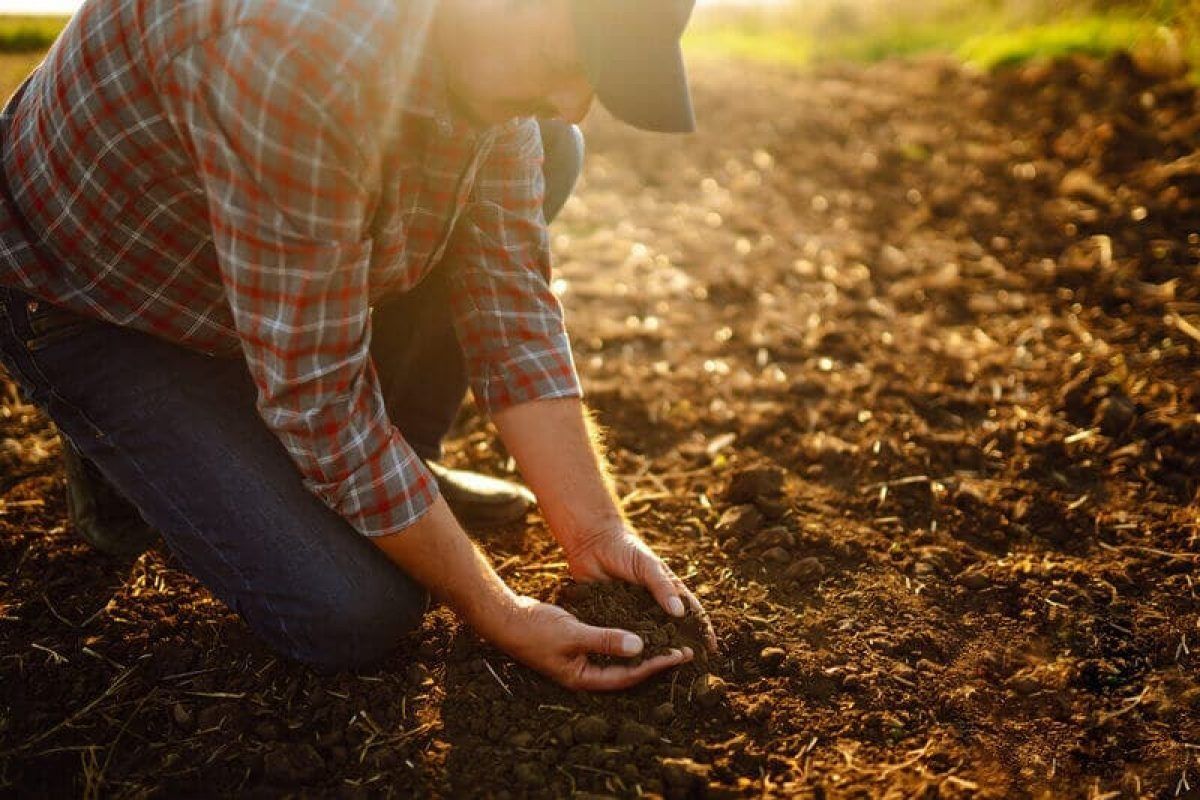
Healthy soil is much more than dirt beneath our feet. It is a living system made up of minerals, organic matter, microorganisms, air, and water working together to support plant growth and ecosystem function. One of the most overlooked yet essential parts of soil health is aggregate stability.Soil aggregates are clusters of soil particles that bind together naturally through biological activity, root systems, fungal networks, and organic matter. Stable aggregates improve water infiltration, protect soil carbon, reduce erosion, and create better growing conditions for crops. In regenerative agriculture, improving aggregate stability is one of the most important steps toward building resilient and productive soils.At Carbon Cycle Consulting, regenerative soil strategies focus on helping growers improve biological activity, carbon cycling, compost integration, and long-term soil function. Aggregate stability connects all of these systems together.
What Is Soil Aggregate Stability?
Soil aggregates are groups of sand, silt, clay, organic matter, fungal threads, roots, and microbial compounds bound together into small structural units. Aggregate stability refers to how well these structures resist breaking apart during rainfall, irrigation, tillage, or other disturbances.
Stable soil aggregates create a balanced soil structure with:
- Better pore space
- Improved oxygen flow
- Enhanced water movement
- Reduced compaction
- Greater microbial habitat
- Stronger root development
When soil aggregates remain intact, the soil becomes more resilient against erosion, drought, runoff, and nutrient loss.Healthy aggregation is strongly connected to biological activity and organic matter development. This relationship is discussed further in Carbon Rich Soil Health.
Why Soil Structure Matters in Regenerative Agriculture
Many farming systems focus heavily on fertilizers and crop yields while overlooking physical soil structure. However, poor structure limits water infiltration, root penetration, nutrient cycling, and microbial activity.
Healthy aggregate stability creates what many agronomists describe as “living architecture” within the soil profile. These natural structures allow roots and biology to interact efficiently.
In regenerative systems, improved soil structure helps:
- Increase crop resilience
- Reduce erosion losses
- Improve nutrient efficiency
- Lower water stress
- Support microbial diversity
- Enhance carbon sequestration
Soil biology is one of the primary drivers behind stable aggregation. Learn more in What Changes First When Soil Biology Starts Working.
The Connection Between Soil Biology and Aggregates
Microbes, fungi, roots, and organic compounds play a direct role in building aggregates. Soil organisms essentially create natural glue that binds particles together.
Key biological contributors include:
Fungal Hyphae
Fungi develop long thread-like structures called hyphae that physically connect soil particles. Mycorrhizal fungi are especially important because they improve root communication and nutrient transport while stabilizing soil structure.
Microbial Exudates
Bacteria and microorganisms produce sticky compounds known as extracellular polysaccharides. These substances help bind particles together and improve moisture retention.
Root Systems
Living roots continuously feed soil microbes through root exudates while physically shaping pore spaces within the soil.
Organic Matter
Compost, crop residue, and decomposing plant material provide energy for biological activity and improve aggregation over time.The relationship between compost biology and soil performance is explored in Regenerative Soil Health Carbon Cycling Compost.
Water Infiltration Depends on Aggregate Stability
One of the biggest advantages of stable soil aggregates is improved water infiltration.
When aggregates are healthy, rainfall enters the soil profile more efficiently instead of running off the surface. Stable pore networks allow water to move deeper into the root zone where plants can access moisture during dry periods.
Poorly aggregated soils often develop:
- Surface crusting
- Compaction layers
- Standing water
- Erosion channels
- Reduced root oxygen
In contrast, biologically active soils absorb water more evenly and maintain better moisture distribution.
This becomes especially important during periods of extreme weather. Farms with healthier soil structure are often more resilient during both droughts and heavy rainfall events.Additional water retention strategies are discussed in Living Compost Soil Structure Water Retention.
How Aggregate Stability Protects Soil Carbon
Carbon sequestration is not only about adding carbon into the soil. It is also about protecting that carbon from rapid oxidation and loss.
Stable aggregates physically shield organic matter from excessive microbial breakdown and erosion. Inside these aggregates, carbon compounds become more protected and remain in the soil longer.
This process helps:
- Increase long-term carbon storage
- Improve nutrient holding capacity
- Enhance cation exchange capacity
- Build stable organic matter pools
Soil carbon is far more stable when biological systems are functioning properly and soil disturbance is minimized.For more insights into carbon storage systems, visit Soil Carbon Sequestration.
Tillage Can Disrupt Soil Aggregates
Frequent or aggressive tillage is one of the fastest ways to destroy aggregate stability.
Tillage breaks apart fungal networks, exposes protected carbon to oxygen, and disrupts microbial habitats. Over time, this leads to:
- Faster carbon loss
- Reduced water infiltration
- Surface sealing
- Soil compaction
- Increased erosion
While some tillage may occasionally be necessary depending on the farming system, excessive disturbance often reduces biological efficiency.The effects of disturbance on carbon levels are explored further in Soil Carbon After Tillage.
Cover Crops Help Build Stable Soil Structure
Cover crops are among the most effective tools for improving aggregate stability naturally.
Living roots support microbial communities year-round while reducing erosion and feeding beneficial organisms.
Benefits of cover crops include:
- Continuous root exudates
- Improved microbial diversity
- Reduced compaction
- Increased organic matter
- Better moisture retention
- Enhanced pore structure
Multi-species cover crop systems often provide even greater benefits because they create varied rooting patterns and biological interactions throughout the soil profile.Learn more in Cover Crops Soil Biology Resilience.
Compost Plays a Major Role in Aggregate Development
High-quality compost introduces organic matter, microbial diversity, and biological compounds that support aggregation.
Compost applications help improve:
- Soil biology
- Organic carbon levels
- Moisture retention
- Nutrient cycling
- Root growth
- Soil structure stability
However, compost quality matters significantly. Mature, biologically active compost supports aggregation far more effectively than poorly processed material.
Carbon Cycle Consulting works with regenerative compost systems designed to strengthen long-term soil function and biological resilience.
Related resources include On Farm Compost Carbon
Aggregate Stability Reduces Erosion Risk
Soil erosion removes valuable topsoil, nutrients, biology, and organic carbon from agricultural land.
When soil particles are weakly connected, heavy rainfall can quickly detach and transport them away. Stable aggregates are more resistant to this process because the particles remain bonded together.
Improved aggregation helps reduce:
- Sheet erosion
- Water runoff
- Sediment loss
- Nutrient movement
- Surface crusting
This protection becomes increasingly valuable as weather variability intensifies across many agricultural regions.
Soil Texture Influences Aggregation Potential
Different soil textures respond differently to management practices.
For example:
- Sandy soils drain quickly and may struggle to retain organic matter
- Clay soils can compact easily if poorly managed
- Loam soils often provide balanced aggregation potential
Understanding existing soil texture helps determine which regenerative practices may produce the best results.Texture also influences how carbon is stabilized within aggregates.More information can be found in Soil Texture Carbon Retention.
Signs of Improving Aggregate Stability
As regenerative practices begin working, several positive soil changes often appear.
Common indicators include:
Better Water Absorption
Rainfall infiltrates faster with less standing water and runoff.
Increased Earthworm Activity
Earthworms help build pore space and improve aggregation naturally.
Improved Soil Crumb Structure
Healthy soil often develops a granular or crumb-like appearance instead of hard clods.
Reduced Surface Crusting
Biologically active soils remain softer and more open after rainfall.
Easier Root Penetration
Plants establish deeper and healthier root systems.
Many of these improvements occur gradually as biology becomes more active and carbon cycling improves over time.
Long-Term Farm Resilience Starts Below Ground
Modern agriculture faces increasing pressure from:
- Drought
- Heavy rainfall
- Rising input costs
- Nutrient inefficiency
- Soil degradation
Aggregate stability directly affects how well soil responds to these stressors.
Farms with stronger soil structure often experience:
- More consistent yields
- Better drought resilience
- Lower erosion losses
- Improved nutrient cycling
- Reduced irrigation demands
These systems become more self-regulating over time as biological activity strengthens natural nutrient and water cycling processes.
Carbon-focused regenerative systems support both productivity and ecological function simultaneously.Learn more in Regenerative Soil Solutions.
Building Aggregate Stability Takes Time
Improving soil aggregation is not an overnight process. Soil biology, carbon accumulation, and structural improvement require consistent long-term management.
Some of the most effective strategies include:
- Reducing unnecessary tillage
- Maintaining living roots
- Applying quality compost
- Increasing crop diversity
- Protecting soil cover
- Supporting microbial activity
- Improving carbon inputs
As these systems develop, soils often become easier to manage and more resilient under difficult environmental conditions.Field-based regenerative approaches frequently outperform purely theoretical recommendations because they are adapted to real-world farming conditions.This practical perspective is discussed further in Field Experience vs Theory Soil Consulting.
Final Thoughts
Soil aggregate stability is one of the foundational drivers of regenerative soil health. Strong aggregates improve water infiltration, protect soil carbon, support microbial life, and help farms become more resilient over time.
Healthy aggregation is not created through a single input or short-term solution. It develops through biological activity, organic matter accumulation, reduced disturbance, and regenerative management practices that work together to strengthen soil function naturally.
By focusing on living soil systems, growers can improve long-term productivity while building healthier and more resilient agricultural ecosystems. Through compost-based regenerative strategies and carbon-focused soil management, Carbon Cycle Consulting continues helping producers develop stronger soils that support both farm performance and environmental sustainability.