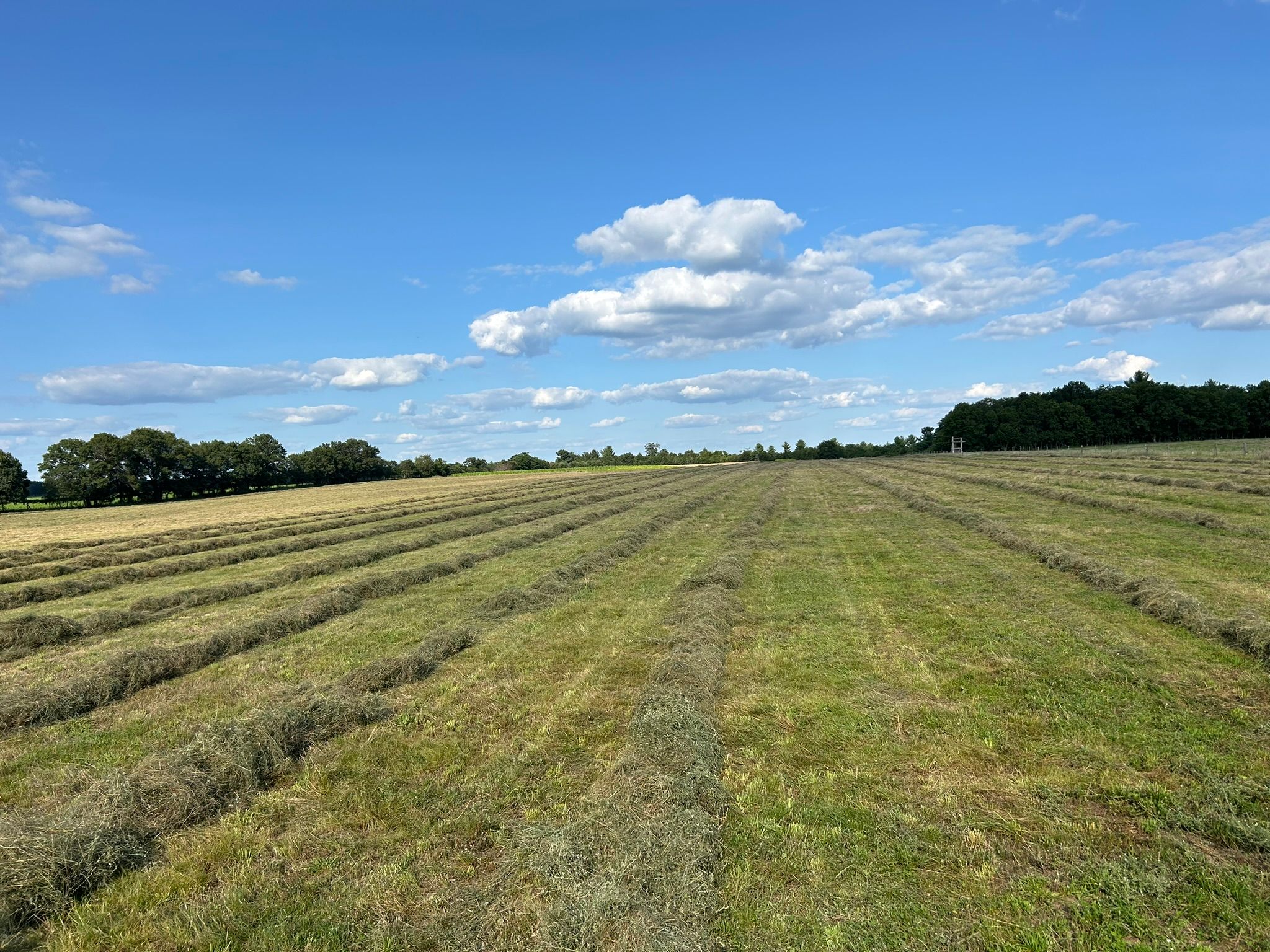
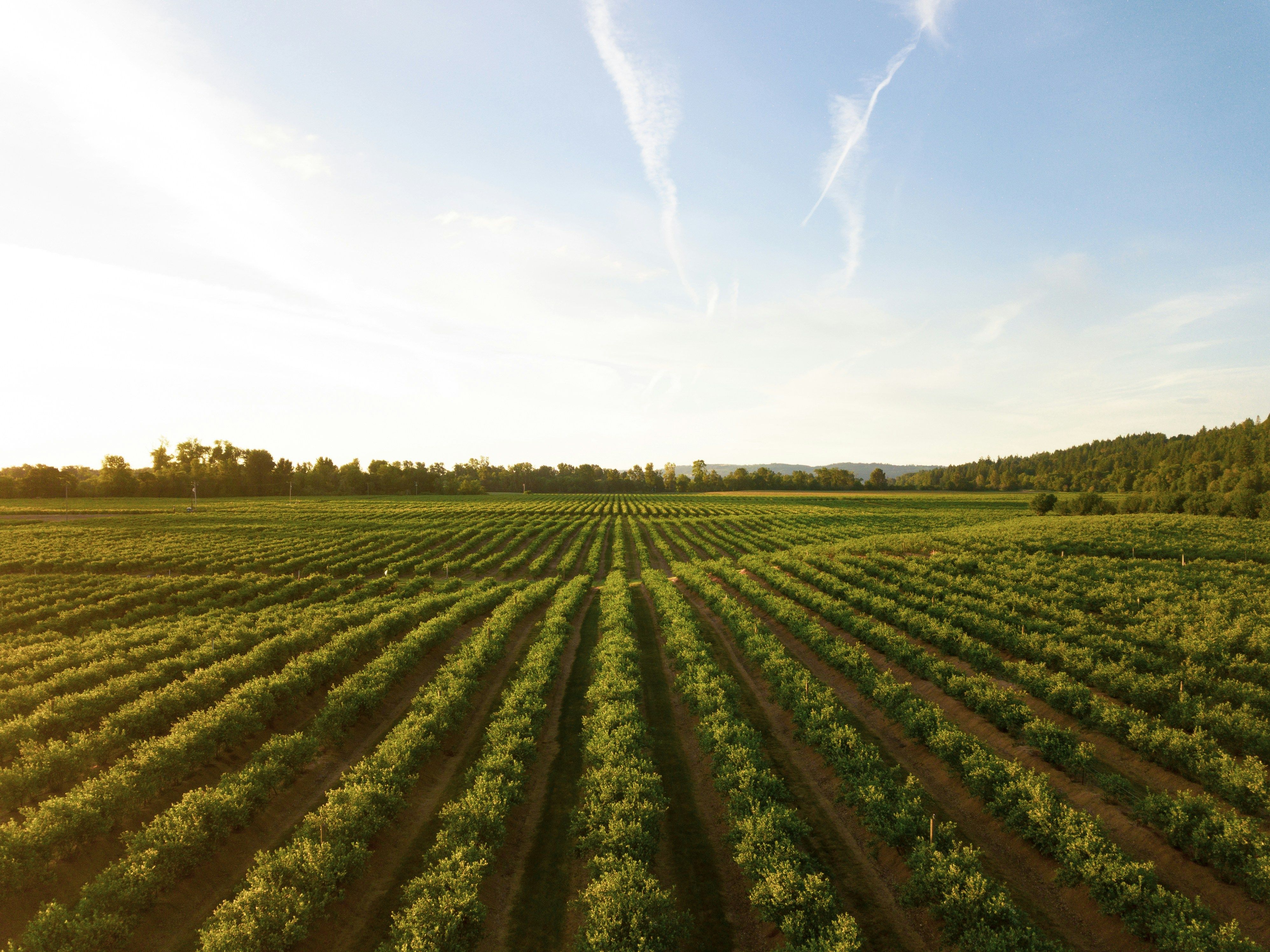
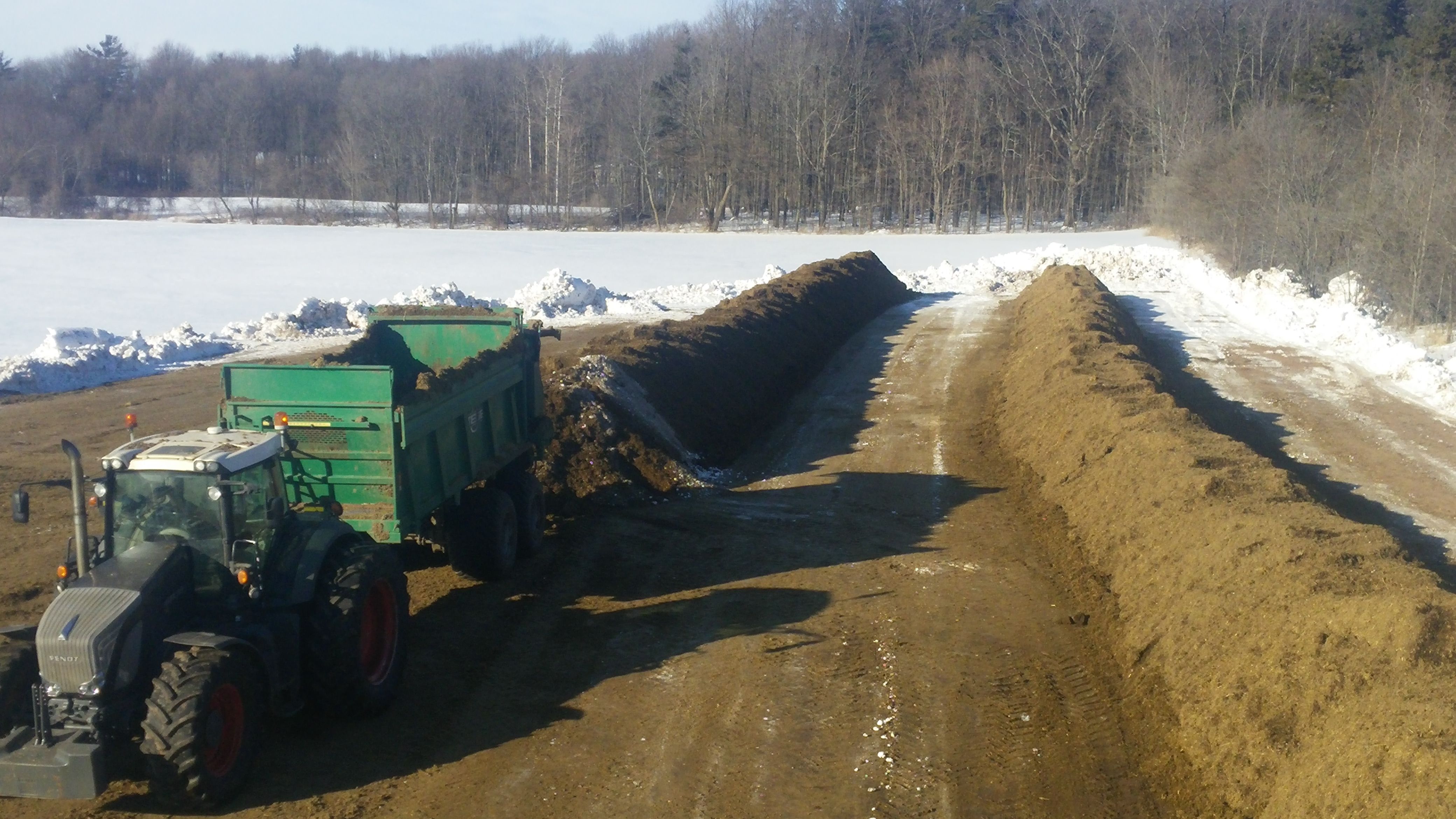
Improving soil health is one of the most reliable ways to strengthen a farm for the long term. High quality compost plays a major role in this process because it feeds the soil with the organic matter it needs to stay active fertile and resilient. Farmers who add compost regularly notice better soil structure stronger root systems and healthier crop performance. At Carbon Cycle Consulting the focus is on creating compost products that support real long term soil improvement using carbon rich blends and biology driven methods. Good soil structure allows plants to grow deeper roots absorb water more efficiently and handle stress. Compost for soil health works by bringing life back into the soil. It supports microbes builds organic matter and helps the soil form stable aggregates. Over time this reduces compaction improves drainage and makes fields easier to manage. As more farmers shift toward regenerative soil practices the importance of compost has become clearer than ever.
Why Compost Matters for Soil Structure
Compost improves soil structure by giving it the organic matter needed to hold together without becoming hard or compacted. Healthy soil should crumble easily and have space for air and water to move through. Compost increases these spaces which helps roots grow deeper and access more nutrients. It also strengthens the soil’s ability to hold moisture during dry periods while preventing waterlogging in wet conditions. Carbon rich compost benefits the soil by feeding microbes. These microbes break down organic matter and release nutrients in forms plants can use. Living carbon compost products provided by Carbon Cycle Consulting are designed to create active biology in the soil which supports long term fertility. Over time this builds a soil system that is more productive and more resilient.
Practical Ways Farmers Use Compost
Farmers use compost in several ways to improve soil health and crop performance. One of the most common applications is spreading a layer of manure based compost during field preparation. This increases organic matter and boosts microbial activity. Manure based compost also adds a slow release nutrient source that supports crops through the season. Many growers also use compost tea for crops. This liquid form delivers biology directly into the soil and onto plant surfaces. It can help improve root growth disease resistance and nutrient uptake. Living carbon compost tea is especially helpful for farmers trying to rebuild soil biology quickly. Carbon farming methods use compost as a core practice. By adding compost regularly farmers increase soil carbon storage which supports long term fertility. This reduces the need for synthetic inputs and creates a more sustainable farming system overall.
The Takeaway
High quality compost is one of the most effective tools for long term soil improvement. It creates better soil structure supports microbial life and increases overall farm productivity. When farmers invest in compost and regenerative soil practices they build land that gets healthier over time rather than being depleted. Carbon Cycle Consulting continues to help growers adopt compost based solutions that bring lasting results.