Compost tea is a liquid made by steeping finished compost in water so that microbes and soluble nutrients move from the compost into the water. The result is a liquid biological amendment that may be applied as a soil drench or foliar spray when the product directions and farm plan allow. Its value is the living biology and the small amount of soluble nutrients it carries into the root zone or onto leaf surfaces.
For Wisconsin and Upper Midwest farmers, format matters. Solid compost is a bulk material applied to build soil over time. Compost tea is a liquid, in-season tool. If you are still deciding where biology fits in your program, our soil health consulting services can help you match inputs to your soil tests and crop goals before you invest in brewing equipment.
What is compost tea?
Compost tea is compost extracted into water to create a liquid biological input. The liquid carries microbes, fine organic particles and soluble nutrients. Products and on-farm brews vary widely, so follow the applicable product instructions or a farm-specific application plan.
Aerated compost tea vs simple extract
A microbial compost extract is the simpler version. Compost is agitated or rinsed in water, and the microbes already present wash off into the liquid. Aerated compost tea adds air during the brew, which can change the microbial mix while the batch runs.
What drives brew quality
The starting compost is an important influence on the biology in the finished liquid, so compost maturity, feedstock and carbon-to-nitrogen ratio matter. Water, equipment and handling also affect the result. Because no single brewing specification fits every farm, use documented product directions or seek farm-specific guidance before making and applying a batch.
How does compost tea work in soil?
Compost tea works by delivering living microbes and soluble nutrients into the root zone, where they join the soil biology already present. Roots release sugars and other root exudates that feed these organisms. Microbial activity, in turn, helps break down organic matter and release nutrients in forms plants can take up.
Do not treat compost tea as a complete fertility program. Use soil tests, compost analysis, crop needs and a nutrient management plan to guide fertility decisions. Whether introduced organisms persist also depends on habitat: soil organic matter, moisture, pore space and living roots.
That is why compost tea is best treated as one part of a broader system. To understand what biological improvement looks like in the field, our article on what changes first when soil biology starts working walks through the early signs farmers tend to notice.
What are the benefits of compost tea for plants?
As a liquid input, compost tea may be worth evaluating when a farm wants to apply a biological product during the season. Potential fit depends on compost quality, product directions, equipment, filtration, crop stage and field conditions. Carbon Cycle Consulting describes its Liquid Carbon product as compost tea for microbial soil boosts, which is one example of how the format is positioned commercially.
Be careful with the claims you accept. Do not treat compost tea as a replacement for a fertility program, a crop-protection program or a guaranteed yield response. Results vary with compost quality, soil conditions, weather and handling.
Is compost tea different from solid compost?
Yes. Solid compost is a bulk material that can add stable organic matter and works gradually in the soil. Compost tea is a liquid made from compost that can carry microbes and soluble nutrients. They are different formats with different handling needs.
| Factor | Solid compost | Compost tea or extract |
|---|---|---|
| Form | Bulk solid material | Liquid extracted from compost |
| Main contribution | Can add stable organic matter, working gradually | Can carry microbes and soluble nutrients |
| Equipment | Often managed with bulk-material equipment | May require tanks, filtration and compatible application equipment |
| Timing | Depends on field access and the farm plan | Depends on product directions and crop stage |
In practice, the two can work together. Compost supplies habitat and food. Tea offers a liquid way to apply biology to crops already in the ground. Microbial diversity is a long game, as covered in our piece on soil microbial diversity and crop yield.
How is compost tea applied?
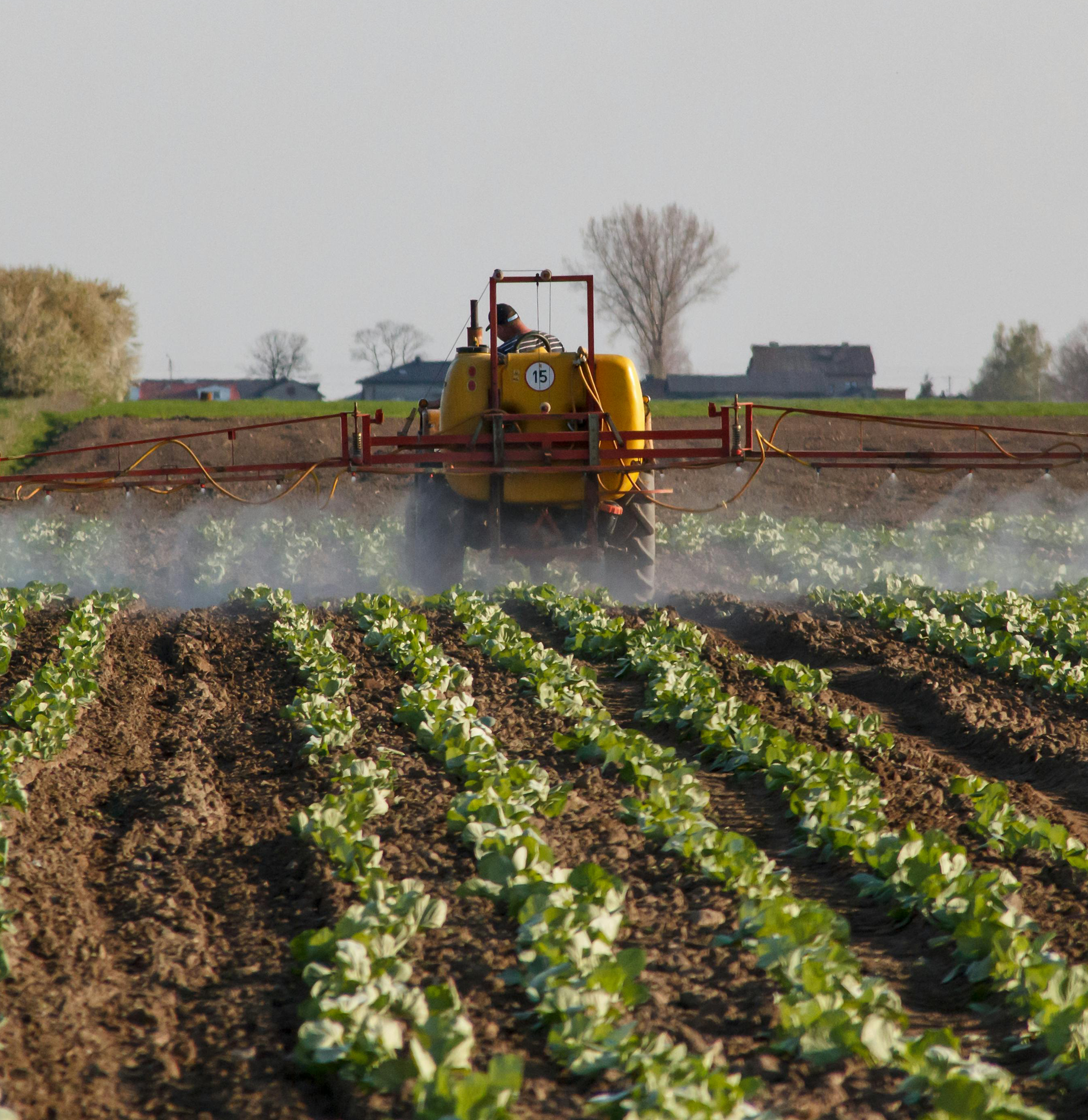
Compost tea is applied two ways: as a soil drench targeting the root zone, or as a foliar spray on leaf surfaces. The two methods serve different purposes. The right choice depends on the product directions, crop, equipment, field conditions and your management goal.
Soil drench for root-zone activity
A soil drench puts the liquid on or into the soil near the roots, where moisture and root exudates support microbial activity. Confirm that your chosen method fits the product directions, filtration needs, equipment and crop stage.
Foliar application on leaves
Foliar application coats the leaf surface. Fine filtration keeps nozzles from plugging. Always check compatibility with any tank mix and follow product labels.
Building a practical application routine
- Start with mature, biologically active compost from a known feedstock.
- Clean the tank, hoses and screens before every batch.
- Follow the product directions or farm-specific plan for mixing and timing.
- Strain the finished liquid, then apply it as the directions advise.
- Record the batch, field, rate and conditions so you can compare results later.
Rates, dilution and timing depend on your crop, soil test and compost analysis, so there is no single recipe that fits every farm. If practical, leave an untreated check strip so you can compare field observations under your own conditions.
Limitations Wisconsin farmers should plan around
In Wisconsin and the Upper Midwest, soil moisture, temperature, texture, compaction and seasonal field access all affect whether a liquid biological application is practical. Review those conditions as part of a farm-specific plan rather than assuming a fixed window.
Handling requirements can also vary by product, feedstock, crop and market. Vegetable growers using manure-based materials should follow applicable product directions, nutrient-management requirements, food-safety requirements and buyer standards.
Frequently asked questions
Storage guidance depends on the product or brewing system used. Follow the supplier's handling instructions or a farm-specific plan, especially when weather delays application. If you are unsure, ask your supplier or consultant before holding a batch for later use.
No. Compost tea is not a substitute for a fertility program. It may support nutrient cycling and biological activity, but fertility decisions should still follow soil testing, compost analysis, crop needs and the farm's nutrient management plan.
Not always. An extract washes biology from compost into water, while an aerated tea may change the microbial mix during brewing. Extracts are simpler. Aerated brews require closer attention to oxygen and timing. In either case, compost quality remains important.
Timing should follow product directions, crop stage, soil moisture, weather, field access and the farm's nutrient-management plan. In Wisconsin and the Upper Midwest, seasonal conditions such as cold or saturated soils can affect whether a liquid application is practical.
Do not treat compost tea as a substitute for a crop-protection program. Use it to support soil biology and root-zone activity. Keep disease management built on resistant varieties, rotation, scouting and products labeled for your crop and intended use.
Putting compost tea to work on your farm
If you have been unsure whether this input is worth the effort, treat compost tea as a supplement rather than a foundation. Build fertility with solid compost, living roots and reduced disturbance, then consider a liquid biological application to reach crops in season. Start with mature compost, follow the product directions, match timing to your field conditions and leave a check strip where practical so you can judge the result on your own ground.
Carbon Cycle Consulting offers soil health consulting and on-farm compost design for Wisconsin and Upper Midwest farms, and its website describes Liquid Carbon as compost tea for microbial soil boosts. To talk through where a biological input fits in your fields, reach the team at Carbon Cycle Consulting.