When soil biology begins working the way it should, the first changes rarely show up on a lab report. They appear in the field, in crop behavior, in how the soil handles water, and in the daily decisions farmers start making without even realizing it.
Many growers expect a sudden jump in yield or a dramatic soil test result. That almost never happens first. Instead, biology shows up quietly, then consistently, long before it shows up on paper.
Understanding these early signals matters. Farmers who recognize them tend to stay the course. Those who miss them often stop just before real progress begins.
This article breaks down what changes first on a farm when soil biology starts working, what changes later, and why patience combined with observation matters more than chasing quick fixes.
Biology Does Not Announce Itself Loudly
Soil biology is not a switch that flips overnight. It responds to management, timing, disturbance, and food sources. When conditions are right, biological activity increases steadily, not dramatically.
That’s why many farms that are improving biologically still believe “nothing is happening.” The signs are there, but they are subtle.
If you want a solid baseline for what your soil is trying to do over time, start with this overview on soil health fundamentals and practical consulting support and compare it to what you see in your own fields.
The First Change: Soil Handles Water Differently
One of the earliest and most reliable indicators of biology waking up is how soil responds to water.
Farmers often notice:
- Rain soaks in instead of running off
- Puddles disappear faster
- Irrigation sets become shorter or less frequent
- Fields dry out more evenly after storms
This shift is not about texture changing overnight. It’s about aggregation, pore space formed by biological activity, and how residues behave at the surface.
For a deeper look at why compost quality matters for how soil behaves during rain and irrigation, read how high-quality compost supports soil structure and this related post on building water-holding behavior through living compost.
Crops Start Responding More Evenly
Another early sign appears above ground. Crops begin responding more uniformly across a field.
Instead of:
- Patchy growth
- Stressed areas reacting sharply to heat or moisture swings
- Uneven emergence
Farmers begin seeing:
- More consistent color
- Better early vigor
- Less dramatic stress response
This does not always mean bigger plants. Often it means steadier plants.
That steadier response usually comes from better root interaction with soil life and more consistent access to moisture and nutrients. If you want a practical connection between biology and real crop response, this piece on living compost in regenerative soil systems ties it together well.
Management Decisions Begin to Shift Naturally
One of the most overlooked signs of soil biology starting to work isn’t in the soil test at all. It shows up in farmer behavior.
As soil becomes more workable and responsive, farmers often:
- Delay tillage because conditions stay workable longer
- Reduce passes because soil flows better
- Adjust timing instead of forcing operations
- Begin questioning old routines that no longer seem necessary
A useful companion read here is how tillage timing affects microbes and soil moisture, especially if you’re trying to reduce the “two steps forward, one step back” feeling.
And if you’re weighing how soil disturbance connects to broader environmental outcomes, see how reduced disturbance work can lower impact on utility and land projects (different industry, but the disturbance principle is the same).
Residue Breaks Down More Predictably
Residue behavior is another early signal. When biology begins functioning properly, residue starts decomposing at a steadier pace.
Farmers often notice:
- Residue stays in place instead of blowing away
- Breakdown is even rather than patchy
- Older residue fades out without creating hard layers
This doesn’t mean residue “disappears.” It means residue becomes part of the system.
If you want a clearer explanation of the “food web” angle in plain terms, this post on compost-based soil building is a good reference point.
Soil Smell and Feel Change Before Numbers Do
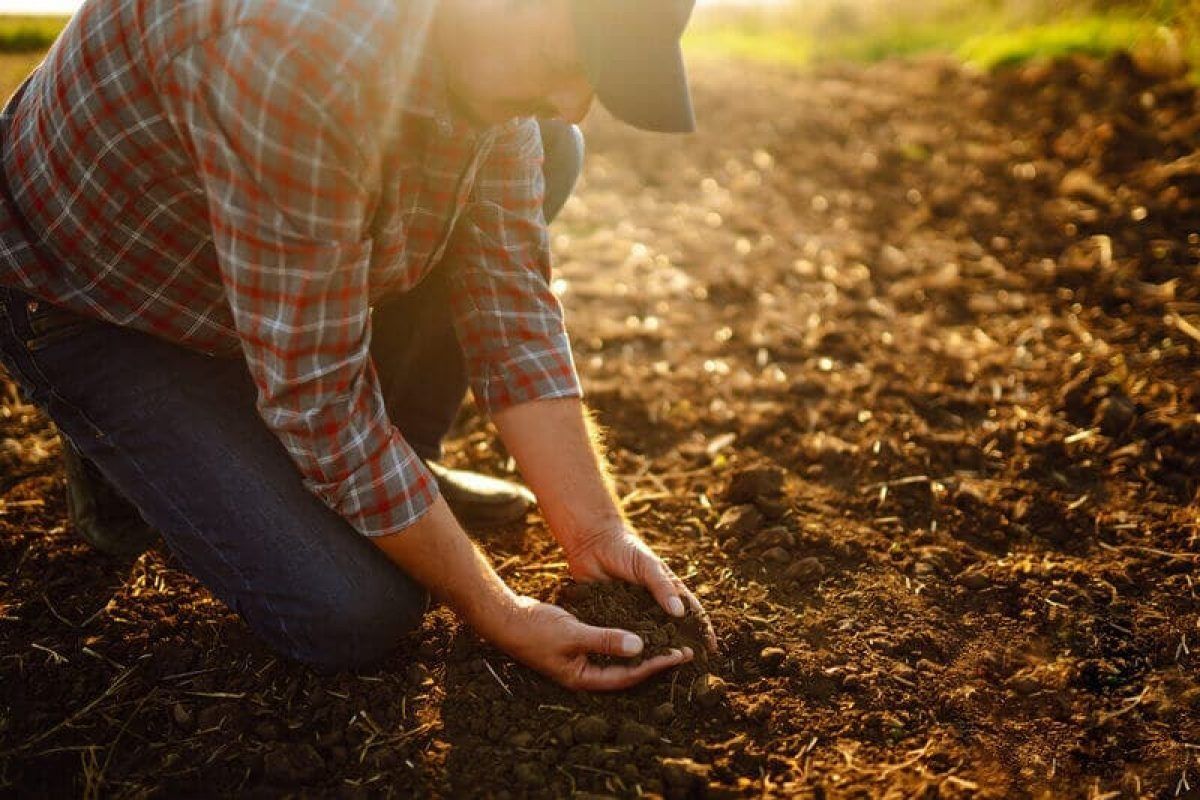
Farmers who spend time in their fields often notice something hard to quantify: soil smells different and feels different.
Early biological changes include:
- Earthy smell instead of sour or sterile odor
- Soil that crumbles instead of breaking into plates
- Less surface sealing after rainfall
These are meaningful signs. They reflect microbial balance and improved soil behavior long before lab numbers confirm progress.
For another practical “what to look for” style read, check how soil health improvement shows up in the real world.
Yield Is Not the First Win (And That’s Normal)
One of the most common mistakes is expecting yield gains to lead the process. Yield is often a lagging indicator.
In many situations:
- Year one shows little yield change
- Year two brings stability more than increase
- Year three begins showing more reliable gains
During this time, other benefits are already reducing risk. Better water movement and steadier crop response can prevent yield losses in tough seasons.
If you want an example that’s closer to “what happened on a real farm,” review this Living Carbon case study on field results.
Input Efficiency Improves Quietly
Another early shift happens with inputs. Fertility and water investments often begin working more consistently without being reduced right away.
Farmers may notice:
- Crops respond more evenly to the same fertility rates
- Less need to “push” crops during stress periods
- Fewer rescue passes
This does not mean cutting inputs immediately. It means the soil is beginning to do more of the work. Over time, that leads to smarter adjustments rather than risky drops.
If you’re building your overall soil plan and want a broader “how we think about this” view, this article on Carbon Cycle Consulting’s approach to soil health fits well here.
Fields Become More Forgiving
Biologically active soil is more forgiving. Mistakes still matter, but the consequences are often softened.
Missed rain events, short heat waves, or delayed operations cause less damage. This resilience is one of the most valuable outcomes of biology, especially in unpredictable seasons.
For more on resilience-based thinking (without getting stuck in theory), see practical regenerative soil solutions.
What Changes Later (And Why Patience Matters)
After early signals appear, deeper changes follow:
- Better nutrient cycling consistency
- Stronger root exploration and steadier plant growth
- More reliable outcomes across varied weather
- Clearer organic matter trends over time
These changes take time because they depend on accumulated biological activity. Stopping early often means losing momentum built during those first subtle improvements.
If you want a complementary read focused on carbon behavior (separate from this “early changes” topic), these two posts help connect the dots without repeating this article:
Why Observation Beats Overreaction
When biology starts working, the worst move is overreacting. Heavy disturbance, sudden program changes, or chasing every new idea can slow progress fast.
Instead, successful farms:
- Observe before changing
- Adjust timing instead of intensity
- Protect soil behavior during wet windows
- Feed biology consistently
If you want a practical explainer on why soil behaves differently depending on what it’s made of, this post on soil texture and carbon retention is useful context (even if you’re not focusing on carbon as your primary goal).
Building Confidence in the Process
Confidence grows when farmers know what to look for.
If you’re seeing better water handling, steadier crop response, improved residue behavior, and more flexible management windows, biology is already working. The bigger wins often follow when the system is protected long enough to stack those small gains.
For a helpful “bigger picture” mindset piece, read the beauty of agriculture through soil stewardship and this forward-looking perspective on cultivating a greener future through better soil practices.
And for a product-side reference that still stays grounded, these two pages can support readers who want the “what does this look like in practice” angle:
- revitalizing land with premium compost
- living carbon compost and how it supports biologically active soils
Work With a Soil Health Partner, Not Just a Supplier
Healthy soil isn’t built through shortcuts. It’s built through observation, patience, and steady decisions that support life below the surface.
That’s the heart of Carbon Cycle Consulting: practical guidance plus biologically active compost, backed by real-world experience.
To learn how we support farmers with field-based guidance and biologically active inputs, visit Carbon Cycle Consulting soil health services.