Soil consulting often sounds scientific on paper. Numbers, charts, lab results, and recommendations can look convincing in a report. But farmers know something that spreadsheets cannot always show: fields behave differently in real life than they do in theory.
Two fields with similar soil tests can perform very differently. One drains well and supports healthy crops year after year. The other struggles with compaction, inconsistent growth, or poor water movement. The difference rarely comes down to theory alone. It comes down to experience in the field.
This is where field-based soil consulting separates itself from purely academic approaches. Experience does not replace science, but it gives science context. It helps translate data into decisions that actually work on real farms, in real seasons, under real constraints.
Theory Has Value, but It Is Only a Starting Point
Laboratory testing plays an important role in soil consulting. Soil tests help identify nutrient levels, organic matter content, and other measurable properties. Research trials also contribute valuable insight into how soils behave under controlled conditions.
However, theory often assumes ideal scenarios. Uniform fields. Predictable weather. Perfect timing. In practice, farms deal with variability every season. Weather patterns shift. Equipment availability matters. Labor and budgets shape decisions. These factors influence outcomes just as much as any lab result.
This is why relying solely on theory can lead to recommendations that look good on paper but fall short in the field. Without on-farm context, advice can miss the mark.
Fields Tell a Story That Data Alone Cannot
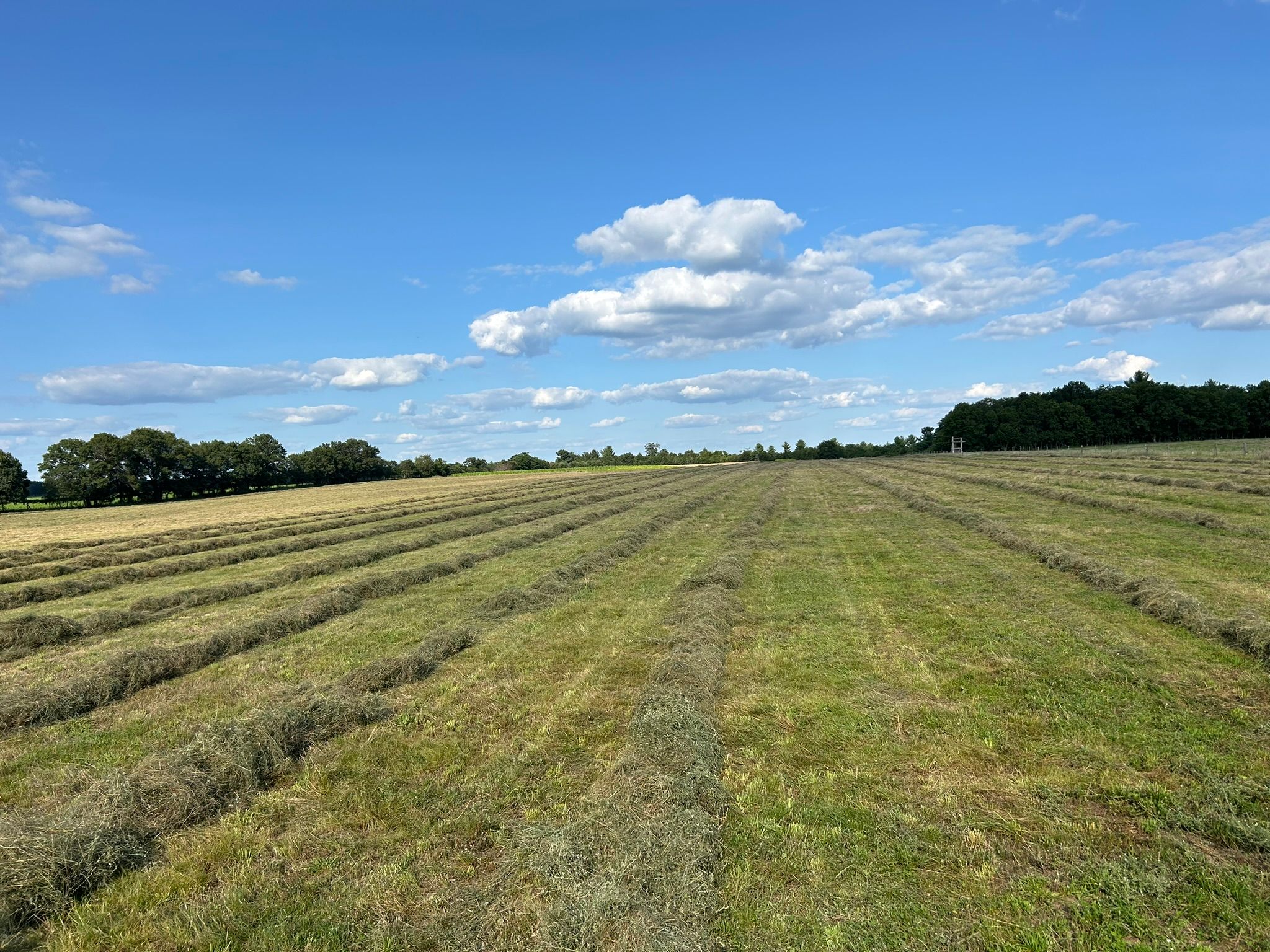
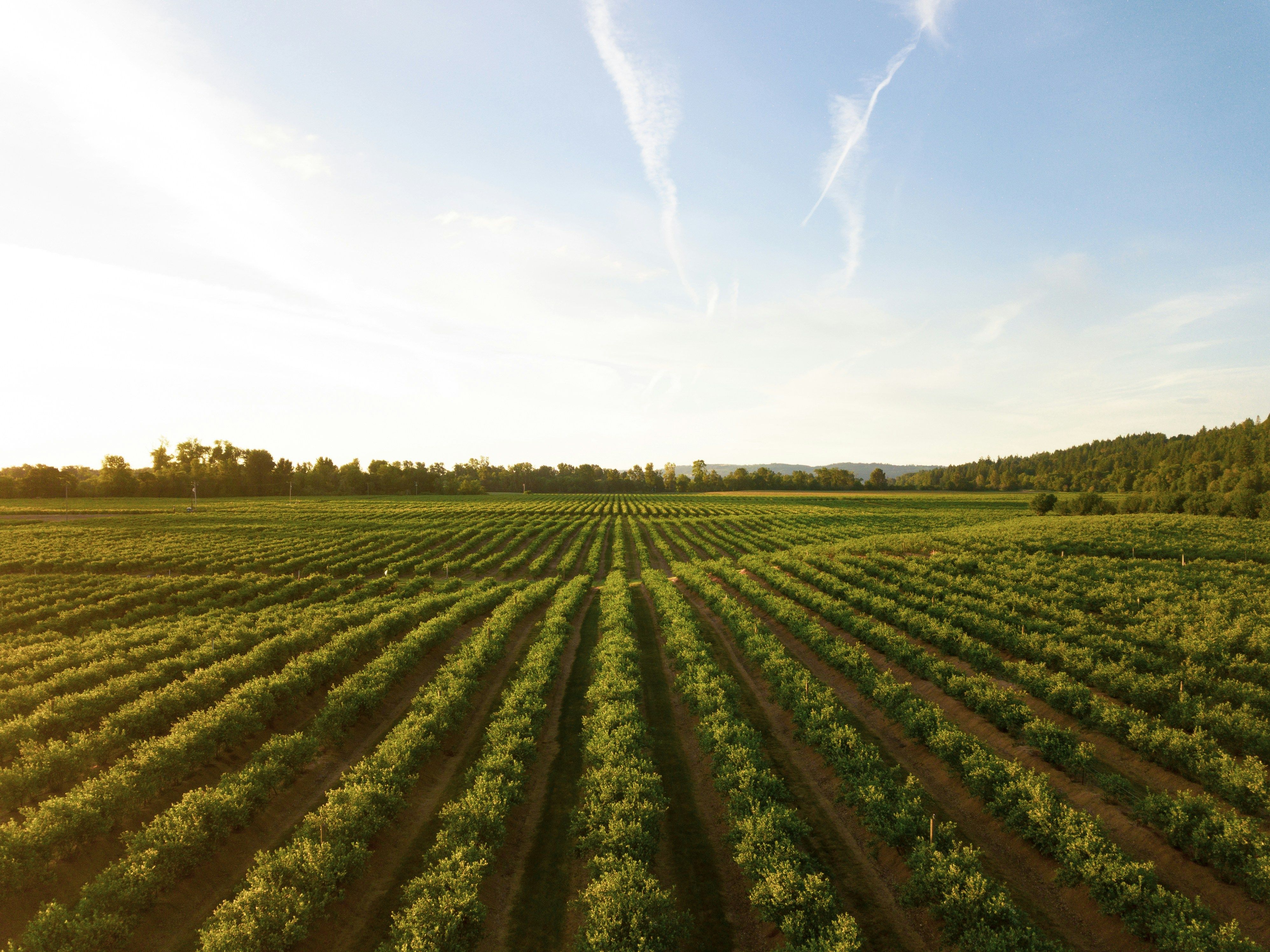
Experienced soil consultants spend time walking fields. They look at residue breakdown, root development, water movement, and compaction layers. They pay attention to how crops respond across different zones, not just averages.
These observations reveal patterns that soil tests may not capture. For example, surface structure issues may limit infiltration even when organic matter levels appear acceptable. Or biological activity may vary dramatically across a field due to past management decisions.
Articles like How Soil Carbon Is Stored and Lost in Agricultural Fields explain the processes at work, but field experience shows how those processes actually play out under working farm conditions.
Practical Decisions Require Practical Knowledge
Farmers do not need perfect theories. They need decisions that fit their operation.
When to apply inputs. How to adjust practices across different fields. What changes to make first and what can wait. These are practical questions that require practical answers.
Consultants who have spent time in the field understand trade-offs. They know when a recommendation is realistic and when it is not. They also recognize when a small adjustment can lead to meaningful improvements over time.
This approach aligns with the broader goal of improving soil function through practical management rather than chasing idealized targets that may not be achievable in every situation.
Experience Helps Identify Root Causes, Not Just Symptoms
Poor crop performance is often treated as a nutrient problem. More fertilizer is applied, but the issue persists. Field experience helps consultants step back and ask deeper questions.
Is compaction restricting root growth?Is water sitting too long after rainfall?Is residue management affecting soil temperature and moisture?
These questions shift the focus from symptoms to causes. Understanding soil behavior at the field level helps guide changes that address underlying issues rather than temporary fixes.
Discussions around soil structure and aggregation often highlight the importance of physical properties, but recognizing structural challenges in real time requires trained observation and hands-on experience.
On-Farm Learning Builds Better Recommendations
Field-based consultants learn alongside farmers. They see what works and what does not across seasons. They understand how soils respond to changes gradually, not instantly.
This long-term perspective helps avoid reactionary decisions. Instead of chasing short-term results, experienced consultants focus on building consistency and resilience into the system.
This mindset supports the broader principles outlined in soil health consulting approaches, where progress is measured over time rather than judged by a single season.
Data Is Most Useful When Grounded in Reality
Data-informed guidance works best when data is interpreted through real-world experience. Numbers alone do not tell farmers what to do next. They need context.
Experienced consultants know when to trust the data and when to question it. They recognize anomalies. They understand how sampling methods, timing, and field variability influence results.
This balance between data and observation is central to effective soil consulting. It helps ensure that recommendations are grounded, practical, and adaptable.
Experience Builds Trust Between Farmers and Advisors
Trust matters in soil consulting. Farmers invest time, resources, and confidence when they follow advice. They want to know that recommendations come from people who understand the realities of farming.
Consultants who can reference real field outcomes, past challenges, and lessons learned build credibility. They speak the same language as the farmer. They acknowledge uncertainty and adapt as conditions change.
This trust-based approach reflects the philosophy behind Carbon Cycle Consulting’s soil health guidance, where collaboration matters more than one-size-fits-all solutions.
Products Alone Do Not Solve Problems
Many soil recommendations are tied to products. While inputs can play a role, they are not a substitute for understanding the system.
Field experience helps consultants identify when a product is appropriate and when management changes will have a greater impact. It also helps avoid over-reliance on inputs that may not address core issues.
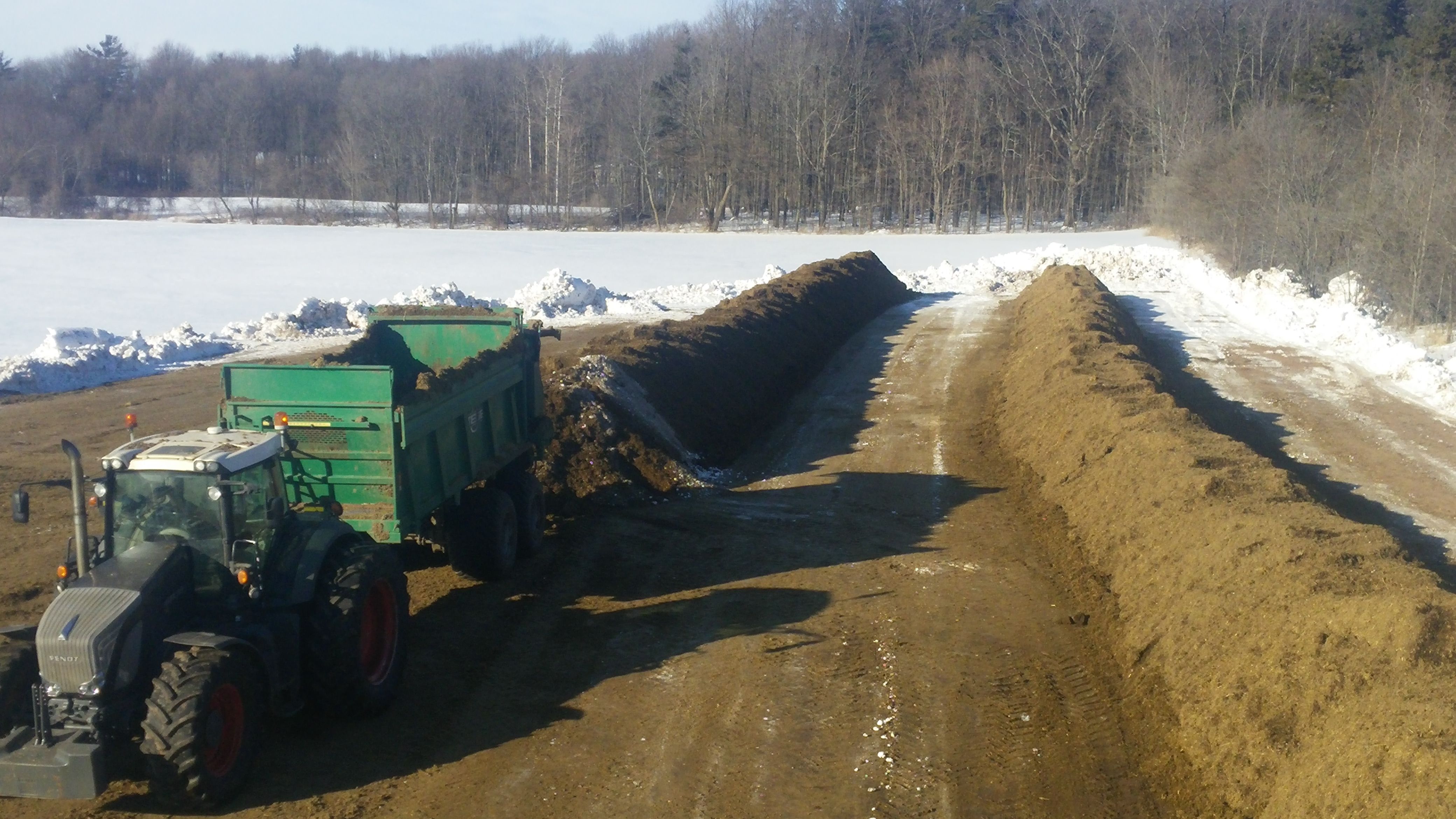
Discussions around living compost and soil function emphasize the importance of biological activity, but knowing how and when to integrate these tools effectively comes from experience, not theory alone.
Every Farm Is a System, Not a Formula
No two farms operate the same way. Crop rotations, equipment, soil types, and management history all influence outcomes. Field-based consulting respects this complexity.
Rather than applying formulas, experienced consultants adapt principles to fit the farm. They recognize constraints and opportunities unique to each operation.
This system-level thinking supports long-term improvement rather than short-lived gains. It also helps farmers feel ownership over the process, rather than feeling directed by abstract recommendations.
Learning Continues Beyond the Classroom
The best soil consultants never stop learning. Field experience teaches lessons that no textbook can provide. Each season adds new insight.
This ongoing learning helps refine judgment. It improves pattern recognition. It sharpens the ability to anticipate challenges before they become problems.
Articles like How Compost Supports the Soil Carbon Cycle provide foundational understanding, but experience determines how that knowledge is applied in practice.
Why This Matters for Farmers
Farmers face enough uncertainty already. Weather, markets, and logistics are beyond control. Soil decisions should not add unnecessary risk.
Consultants who rely on field experience help reduce that risk. They offer guidance rooted in observation, adaptation, and proven outcomes.
This approach supports steady progress rather than dramatic swings. It helps farms move forward with confidence.
A Partnership Built on Real-World Knowledge
At the core of effective soil consulting is partnership. Farmers and consultants working together, learning from the land, and adjusting based on what the field shows.
This philosophy reflects the mission behind Carbon Cycle Consulting’s soil health services, where experience, observation, and trust guide every recommendation.
Healthy soil is not built through theory alone. It is built through understanding, patience, and informed decisions made in the field.