Compost quality is one of the most important factors that shape soil health and long term crop performance. At Carbon Cycle Consulting, the focus has always been on improving soil through nutrient rich and carbon based compost products that support real farm needs. When compost is made correctly, it becomes a powerful tool that strengthens the soil, improves water retention, boosts plant growth, and builds long lasting fertility. For farmers aiming to improve soil health improvement practices, understanding compost quality is essential.
Healthy soil is the foundation of productive farming. With climate challenges increasing every year, more growers are turning toward regenerative farming soil practices. These methods rely heavily on high quality compost, on farm compost systems, and living carbon compost to restore the biological activity in the soil. When compost is produced with care and applied at the right compost application rates, it supports strong root development, healthier plants, and better yields.
Below is a detailed look at how compost quality influences your soil, how it affects microbial activity in soil, and why manure based compost and carbon rich soils are valuable for sustainable farming.
Why Compost Quality Matters for Soil Health
Compost has been used in agriculture for centuries, but modern farming has pushed the need for high quality compost even further. Not all compost is created equal. The best compost supports soil health improvement through a balanced mix of organic matter, minerals, and active biology. Poor compost can carry weed seeds, pathogens, or low nutrient levels. This is why farmers should focus on compost quality testing to understand exactly what they are putting into their soil.
High quality compost contributes to the soil in three major ways. First, it increases organic matter which improves soil structure. Second, it boosts microbial activity in soil which is vital for nutrient cycling. Third, it delivers stable forms of carbon that help build carbon rich soils. At Carbon Cycle Consulting, living carbon compost is built with these goals in mind. The focus is on compost that increases soil carbon while supporting long term farm productivity.
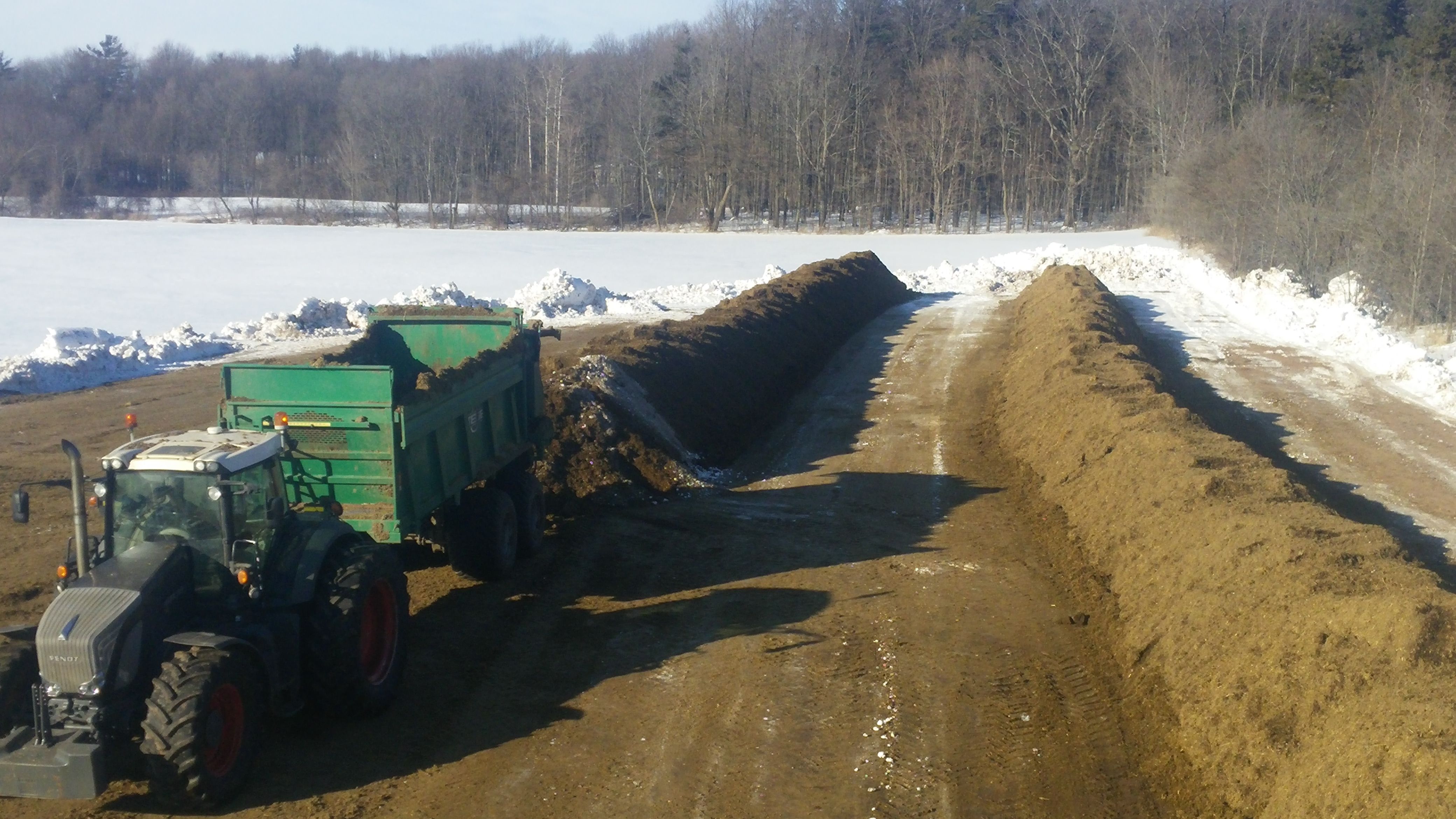
Manure based compost is another valuable resource. When processed correctly, manure can be transformed into nutrient rich compost that improves soil fertility. The key is proper handling and curing. Finished manure based compost should be stable, mature, and free from excess salts or harmful pathogens. When this level of quality is achieved, the compost works as both a soil amendment and a biological booster.
How Quality Compost Supports Microbial Life
Soil biology drives soil health. Microbes play a major role in breaking down organic matter, creating nutrients, and forming soil structure. Quality compost is full of beneficial organisms including bacteria, fungi, and actinomycetes. These organisms enter the soil and begin working immediately. They increase the soil’s natural ability to support plant roots and improve nutrient exchange.
Microbial activity in soil is one of the strongest indicators of soil health. When soil biology is strong, plants have better access to nutrients, water is better absorbed, and soil becomes more resistant to erosion. Living carbon compost from Carbon Cycle Consulting focuses on supporting this biology. By feeding the microbes with stable organic matter, the soil becomes more productive over time. This creates a cycle where healthier soil leads to stronger crops and stronger crops continue supporting healthy soil.
On farm compost systems can also support microbial life when managed correctly. Farmers who produce their compost can control the organic inputs and monitor the composting process. This ensures a high quality product that adds real biological value to the soil. Regular compost quality testing helps maintain consistency across batches.
Compost Application Rates and Their Impact on Crop Growth
Applying the right amount of compost is just as important as the compost itself. Compost application rates depend on soil type, crop needs, and compost nutrient levels. Too little compost will not deliver the desired improvement. Too much compost can cause nutrient imbalances. Understanding compost application rates allows farmers to maximize the benefits of compost for crops.
Different crops respond differently to compost. For example, crops with deep root systems may need more organic matter to support strong root development. Lighter soils may require more compost to improve structure and water holding capacity. Heavier soils may need compost to improve aeration and biological activity. Carbon Cycle Consulting often recommends soil testing before applying compost so the application rates match the needs of the soil and the crop.
Regenerative farming soil practices also rely on steady compost applications. Instead of applying heavy amounts once a year, farmers may apply lighter doses throughout the season. This keeps soil biology active and supports continuous soil health improvement. When compost is applied correctly, farmers see better yields, improved plant color, stronger stems, and better resilience against stress.
Why Carbon Rich Soils Improve Crop Performance
Carbon is the backbone of healthy soil. Carbon rich soils support stronger plant growth because they improve soil structure and increase nutrient retention. Compost naturally adds carbon to soil, but high quality compost like living carbon compost delivers stable carbon that remains in the soil longer.
These carbon compounds help the soil hold nutrients instead of letting them wash away. They also help water stay in the soil longer which reduces irrigation needs. When the soil has more carbon, plants grow deeper roots and become more resilient to drought and stress. Carbon Cycle Consulting develops compost products specifically designed to increase soil carbon levels, making them ideal for long term soil improvement.
Practical On Farm Uses of High Quality Compost
Farmers use compost in many ways. It can be applied before planting, mixed into planting rows, top dressed between rows, or used as a mulch around fruit trees and crops. On farm compost systems allow farmers to recycle farm waste, create their compost, and reduce input costs. When combined with compost quality testing, this system becomes a reliable and sustainable part of the farm operation.
High quality compost supports soil regeneration, reduces the need for synthetic fertilizers, and improves overall crop growth. As more farmers shift toward regenerative farming soil methods, compost becomes an even more important tool.
The Takeaway
High quality compost is one of the most powerful tools for soil health improvement. It strengthens the soil, boosts microbial activity, improves structure, and supports better crop growth. At Carbon Cycle Consulting, the focus remains on producing compost that enriches soil for years to come. When farmers invest in quality compost, they invest in productive land, healthier crops, and long term sustainability.