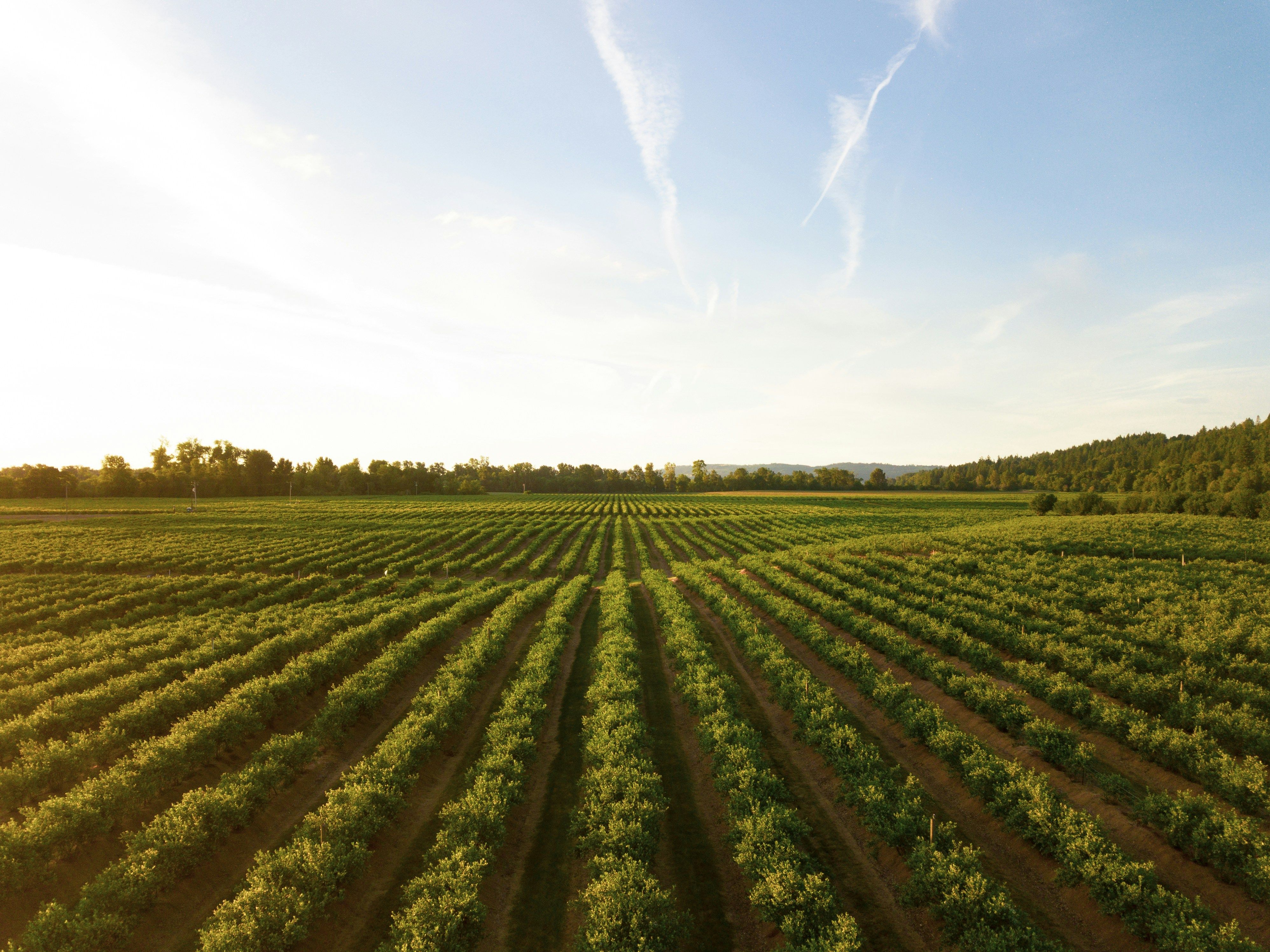
Farmers who have spent years building soil health through compost application, reduced tillage, and cover cropping are increasingly hearing the same pitch from a growing number of companies: get paid for the carbon you are already sequestering. Agricultural carbon credit programs have multiplied quickly, and the promise is appealing, but the eligibility requirements, payment structures, and verification standards behind these programs vary enough that a farmer signing up without understanding the details can end up disappointed with either the payment or the practice restrictions attached to it.
How Agricultural Carbon Credit Programs Actually Work
At a basic level, carbon credit programs pay farmers for adopting or continuing practices that increase soil carbon storage, then sell the resulting carbon credits to companies looking to offset their own emissions. The farmer generates the underlying carbon benefit through practice changes, a program administrator verifies and quantifies that benefit, and a credit representing a measured amount of sequestered carbon gets sold on a carbon market, with some portion of that sale price flowing back to the farmer.
The gap between this simple description and how programs actually operate in practice is where most farmer confusion and disappointment originates. Measurement methodology, additionality requirements, contract length, and payment timing all differ substantially between programs, and a farmer evaluating an offer needs to understand each of these before assuming the payment structure matches what a sales conversation implied.
The Additionality Problem: Why Existing Practices Often Do Not Qualify
Most legitimate carbon credit programs require additionality, meaning the carbon benefit being paid for must represent a genuine change from what the farm would have done anyway. This requirement exists to prevent double-counting carbon sequestration that would have happened regardless of the program's involvement, but it creates a real problem for farmers who have already adopted regenerative practices before a carbon program existed.
A farm that transitioned to no-till and began applying compost years ago, building the soil carbon levels covered in our work on soil organic matter and farm productivity, may find that a carbon program will not pay for carbon already sequestered through practices already in place, since there is no new additional benefit being created by enrolling. Some programs address this by paying for continued maintenance of existing practices rather than only new adoption, but the payment rates for maintenance credits are typically lower than rates for demonstrably new practice changes, and farmers should ask this question directly before assuming their existing regenerative operation automatically qualifies for full program payments.
Measurement and Verification Standards Vary Significantly
How a program actually measures soil carbon change determines both the accuracy of the payment calculation and the amount of farmer effort required to participate. Some programs rely primarily on modeled estimates based on practice data, satellite imagery, and regional soil databases, requiring minimal direct sampling from the farmer but producing estimates with meaningful uncertainty ranges. Other programs require direct soil sampling at established intervals, producing more accurate measurements at the cost of additional time, sampling cost, and often a multi-year commitment before payment is finalized.
The measurement approach a program uses connects directly to the broader question of how soil carbon should actually be tracked over time, a topic covered in detail in our guide on how to measure soil carbon through biology testing. Farmers evaluating a carbon program should ask specifically which measurement methodology the program uses, how often sampling occurs, and who bears the cost of that sampling, since these details affect both payment reliability and the farmer's ongoing time commitment to the program.
Contract Length and Practice Lock-In
Carbon credit programs typically require multi-year commitments, often ten to twenty years, to ensure the carbon benefit being sold represents a durable, long-term change rather than a practice a farmer might reverse after a single payment cycle. This long commitment period is a significant consideration that farmers sometimes underweight relative to the appeal of near-term payment, since a decade-long practice commitment limits flexibility to respond to changing market conditions, land transitions, or operational needs over that period.
Farmers should read contract terms carefully for what happens if practices need to change mid-contract due to circumstances outside their control, whether penalties apply for early termination, and whether the contract transfers with the land if ownership changes during the commitment period. A program that sounds attractive based on the per-acre payment rate alone can become a genuine operational constraint once the full length and terms of the commitment are understood.
Payment Rates and What They Actually Reflect
Carbon credit payment rates vary widely across programs, generally ranging from a few dollars to somewhere in the range of twenty to thirty dollars per ton of sequestered carbon dioxide equivalent, though rates fluctuate with broader carbon market conditions and the specific verification standard a program uses. Converting this per-ton rate into an actual per-acre payment requires understanding how much carbon a given practice change is expected to sequester annually, which depends heavily on soil type, climate, baseline carbon levels, and the specific practices being implemented.
This is where the soil-specific factors covered in our article on soil texture and carbon retention become directly relevant to evaluating a carbon program's financial offer. A farm with soil characteristics that support higher carbon retention rates may generate meaningfully more sequestration per acre than the program's generic regional estimate suggests, while a farm with less favorable soil conditions for carbon retention may generate less than a standardized payment estimate implies. Farmers with a clear understanding of their own soil's carbon dynamics are in a stronger position to evaluate whether a program's payment offer reflects their farm's actual sequestration potential.
Stacking Carbon Payments With Other Program Benefits
Some farmers wonder whether carbon credit payments can be combined with other conservation program payments, such as federal cost-share programs for cover cropping or compost application. This is possible in some cases but restricted in others, since many programs explicitly prohibit payment stacking to avoid compensating the same practice change twice through different funding sources. Farmers already receiving cost-share support for practices like the compost-based approaches covered in our work on regenerative soil health through carbon cycling and compost should confirm with both program administrators whether their specific combination of funding sources is permitted before assuming both payments will be available simultaneously.
Questions Worth Asking Before Enrolling
Farmers evaluating a specific carbon credit program should get clear answers to several practical questions before signing a contract. What measurement methodology does the program use, and who covers the cost of any required soil sampling. How is additionality determined, and does the program pay for continuation of existing practices or only new adoption. What is the contract length, and what are the terms for early termination or land transfer during the commitment period. How and when are payments actually disbursed relative to when the carbon benefit is generated and verified, since some programs pay upfront based on projections while others pay only after multi-year verification confirms the actual sequestration achieved.
A program unwilling or unable to answer these questions clearly and specifically, rather than in general marketing language, is a reasonable signal to look elsewhere or seek independent review of the contract terms before committing a decade or more of the farm's management decisions to a single program.
Where Soil Consulting Fits Into the Carbon Market Decision
Understanding a farm's actual soil carbon baseline and sequestration trajectory, independent of any specific carbon program's estimates, gives a farmer a stronger negotiating position when evaluating program offers and a clearer basis for judging whether a program's payment estimate is realistic for that specific operation. This is closely connected to the broader value of ongoing soil carbon tracking covered in our work on soil carbon sequestration, where understanding the actual biological and chemical processes building carbon in a farm's soil provides context that a generic program estimate, built from regional averages rather than farm-specific data, often cannot match.
Farmers who enter carbon market conversations with independent knowledge of their own soil's carbon status and trajectory are better equipped to evaluate whether a specific program's terms make sense for their operation, rather than relying entirely on the program's own projections and sales materials to make a decade-long commitment decision.
Regional Program Variation Within Wisconsin
Wisconsin farmers researching carbon credit options will find that program availability and terms differ depending on region, soil type, and the specific mix of crop and livestock operations common to that part of the state. Programs designed primarily around row crop rotations in one region may offer less favorable terms, or no clear pathway at all, for diversified operations that combine grazing, cover cropping, and compost application in ways that do not map cleanly onto a standardized measurement model built for a different farming system.
This regional variation is one more reason that generic marketing estimates from a national program should be checked against local conditions before a farmer assumes a specific dollar figure applies to their own operation. Working with an advisor familiar with both the carbon market landscape and the specific soil and cropping conditions common to Wisconsin farms, including the practical experience covered in our discussion of field experience versus theory in soil consulting, helps separate a program's general projections from what a specific farm is actually likely to see in practice.
Weighing the Decision Over the Long Term
A carbon credit contract is ultimately a long-term business decision that should be weighed against the farm's broader goals, not evaluated purely on the basis of an attractive per-acre number presented during an initial sales conversation. Farmers who already have a clear soil health strategy in place, and who understand how that strategy is likely to perform against a specific program's measurement and payment structure, are in the strongest position to decide whether enrolling adds real value or simply adds a long-term contractual obligation without a proportional financial return.
Taking the time to work through these questions before signing, rather than after, is the difference between a carbon credit program that complements a farm's existing soil health investment and one that constrains it for a decade with payments that never quite match what the initial pitch implied.