Modern agriculture faces increasing pressure to produce higher yields while maintaining soil health, conserving water, and adapting to changing environmental conditions. While fertilizers, irrigation systems, and advanced equipment all play important roles, one of the most valuable assets on any farm remains beneath the surface: soil organic matter.
Often overlooked in favor of short-term fertility inputs, soil organic matter serves as the foundation of healthy agricultural systems. It influences nutrient availability, microbial activity, water-holding capacity, soil structure, and carbon storage. Farms with higher levels of organic matter typically experience improved resilience during droughts, better crop performance, and reduced dependence on external inputs.
Understanding how soil organic matter functions and how to build it over time can help producers create more productive and sustainable farming systems.
What Is Soil Organic Matter?
Soil organic matter consists of decomposed plant residues, animal materials, living microorganisms, and stable organic compounds known as humus. It represents the biological engine that powers many essential soil processes.
Organic matter performs several critical functions:
- Stores nutrients for gradual release
- Supports beneficial soil microorganisms
- Improves soil aggregation
- Enhances water infiltration
- Increases moisture retention
- Promotes carbon sequestration
- Improves root development
Many growers focusing on soil health improvement recognize that increasing soil organic matter often delivers benefits that extend far beyond simple fertility management.
Why Soil Organic Matter Matters for Farm Productivity
Healthy soils function as living ecosystems. Organic matter helps create conditions where biological, chemical, and physical processes work together to support crop growth.
When organic matter levels decline, producers often encounter:
- Reduced nutrient efficiency
- Poor water infiltration
- Increased erosion
- Soil compaction
- Lower biological activity
- Greater vulnerability to drought
Conversely, increasing organic matter strengthens the soil’s ability to support productive crops year after year.
Improving Nutrient Cycling Naturally
One of the most important functions of organic matter is nutrient storage and release.
Rather than delivering nutrients in a single application, organic matter acts as a reservoir that slowly supplies:
- Nitrogen
- Phosphorus
- Sulfur
- Potassium
- Micronutrients
As soil organisms break down organic materials, nutrients become available to plants in forms they can readily absorb.
This process complements the principles discussed in soil fertility and carbon management strategies , where biological nutrient cycling reduces reliance on synthetic inputs while supporting crop performance.
Supporting Beneficial Soil Biology
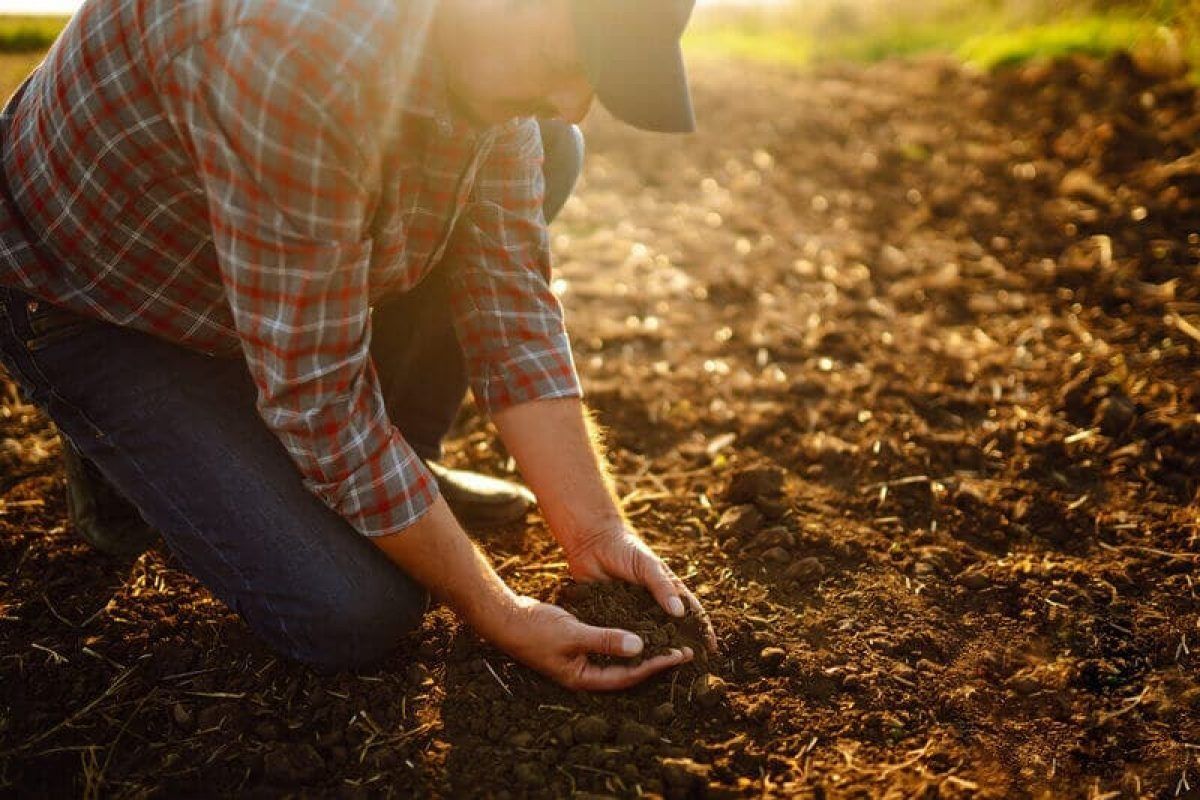
Healthy soils contain billions of microorganisms within a single handful of soil.
These include:
- Bacteria
- Fungi
- Protozoa
- Nematodes
- Arthropods
Organic matter provides the food source these organisms need to survive and multiply.
As microbial populations expand, they perform valuable services such as:
- Nutrient mineralization
- Disease suppression
- Aggregate formation
- Organic residue decomposition
- Root symbiosis
Research and field observations consistently demonstrate the relationship between soil microbial diversity, crop yield, and soil health .
When biological communities thrive, crops often benefit from improved nutrient access and stronger root systems.
Enhancing Water Retention During Dry Periods
Water management has become increasingly important for agricultural resilience.
Soils rich in organic matter act like natural sponges.
For every increase in soil organic matter, the soil gains additional capacity to retain water that would otherwise be lost through runoff or evaporation.
Benefits include:
- Improved drought tolerance
- Reduced irrigation requirements
- Better seed germination
- Enhanced crop establishment
- More consistent yields
The relationship between organic matter and water storage becomes especially important during prolonged dry conditions.
Farmers seeking greater resilience frequently discover that investments in soil-building practices generate long-term improvements in water management.
Improving Soil Structure and Aggregation
Soil structure determines how well air, water, and roots move through the soil profile.
Organic matter encourages the formation of stable soil aggregates, which are clusters of soil particles bound together by biological activity.
Well-aggregated soils provide:
- Improved pore space
- Better root penetration
- Increased infiltration
- Reduced compaction
- Enhanced oxygen movement
The importance of aggregation is explored further in soil aggregate stability, water infiltration, and carbon storage .
Stable aggregates create the physical framework required for healthy plant growth and long-term soil productivity.
Reducing Soil Erosion Risks
Erosion remains one of the most significant threats to agricultural productivity.
When soils lose topsoil through wind or water erosion, they also lose valuable nutrients, biological activity, and organic carbon.
Higher organic matter levels help reduce erosion by:
- Improving aggregate stability
- Increasing infiltration rates
- Reducing surface crusting
- Strengthening soil cohesion
Healthy soils absorb rainfall more effectively, decreasing runoff and minimizing sediment loss.
This protective function contributes directly to long-term farm sustainability.
Building Carbon-Rich Soils
Organic matter represents a major component of soil carbon.
As plants capture atmospheric carbon through photosynthesis, a portion of that carbon eventually enters the soil through:
- Root exudates
- Crop residues
- Compost applications
- Cover crops
Over time, stable carbon compounds accumulate within the soil profile.
The role of carbon in agricultural systems is discussed extensively in carbon-rich soil health and soil carbon sequestration .
Increasing soil carbon not only improves soil function but also contributes to broader environmental benefits.
How Compost Accelerates Organic Matter Development
One of the most effective ways to increase soil organic matter is through high-quality compost applications.
Well-made compost introduces:
- Stable organic carbon
- Beneficial microorganisms
- Humic substances
- Slow-release nutrients
Unlike raw organic materials, properly matured compost provides immediate biological benefits while contributing to long-term soil improvement.
Growers interested in compost-based strategies may find additional value in on-farm compost and carbon management and high-quality compost for soil structure improvement .
The Role of Living Carbon in Soil Development
Soil-building is not simply about adding organic materials. It also involves supporting living biological systems that continuously cycle carbon through the soil ecosystem.
Living roots play a crucial role by supplying carbon compounds directly to soil microbes.
These interactions create:
- Stronger microbial communities
- Increased nutrient cycling
- Improved aggregate formation
- Greater biological resilience
The concept of biological carbon cycling is explored further in living carbon compost and regenerative soil systems .
Healthy soils depend on maintaining these dynamic biological relationships throughout the growing season.
Cover Crops and Organic Matter Accumulation
Cover crops remain one of the most effective tools for increasing organic matter naturally.
Benefits include:
- Continuous living roots
- Reduced erosion
- Additional biomass production
- Enhanced nutrient cycling
- Improved microbial activity
Species selection varies depending on farm goals, climate, and rotation plans.
Many producers have successfully integrated cover crops as part of broader cover crop and soil biology resilience strategies .
Over time, cover crops can significantly increase soil organic matter while improving overall soil function.
Minimizing Organic Matter Loss Through Tillage Management
While tillage can provide short-term benefits, excessive disturbance often accelerates organic matter decomposition.
Frequent tillage may:
- Break apart aggregates
- Increase carbon loss
- Reduce biological activity
- Increase erosion risks
Many regenerative systems focus on reducing soil disturbance to preserve organic matter gains.The effects of cultivation practices are examined in soil carbon after tillage and tillage timing, microbes, and moisture management .
Finding the right balance between field operations and soil conservation remains essential for long-term success.
Measuring Progress Over Time
Building organic matter is a gradual process.
While improvements in biological activity may become visible within a single season, measurable increases in organic matter often require multiple years of consistent management.
Producers should monitor:
- Organic matter percentages
- Aggregate stability
- Water infiltration rates
- Biological activity indicators
- Crop performance trends
As discussed in what changes first when soil biology starts working , many improvements appear before major shifts in laboratory measurements occur.
Patience and consistency are critical components of successful soil-building programs.
Long-Term Economic Benefits of Higher Organic Matter
Increasing soil organic matter can generate meaningful economic returns.
Potential benefits include:
- Reduced fertilizer requirements
- Lower irrigation costs
- Improved yield stability
- Reduced erosion losses
- Enhanced nutrient efficiency
- Greater resilience to weather extremes
Rather than focusing solely on annual inputs, many successful operations view soil organic matter as a long-term investment that compounds over time.
Healthier soils often produce healthier crops while reducing operational risks.
Conclusion
Soil organic matter serves as the foundation of productive, resilient agricultural systems. It supports nutrient cycling, improves water retention, strengthens soil structure, promotes microbial diversity, and enhances carbon storage. These interconnected benefits help farms become more efficient, sustainable, and profitable over the long term.
Whether through compost applications, cover crops, reduced tillage, or regenerative management practices, building organic matter remains one of the most effective strategies available for improving soil performance.
By prioritizing biological function and long-term soil stewardship, growers can create agricultural systems that remain productive for generations while strengthening the natural carbon cycle that supports healthy land.