Healthy soil is the foundation of productive agriculture. Farmers around the world are increasingly focusing on regenerative practices that improve soil structure, increase carbon storage, and support beneficial microbial life. One of the most effective approaches involves carbon cycling, compost-based amendments, and strategic land management.
Modern regenerative farming combines scientific research with field experience. For example, many soil experts emphasize the importance of balancing field experience vs theory in soil consulting to create practical soil health strategies that work in real farming conditions.
Why Carbon Cycling Matters for Soil Health
Carbon is one of the most important elements in soil fertility. A strong carbon cycle helps build organic matter, improve soil biology, and enhance crop productivity.
Many farmers are adopting regenerative strategies focused on enhancing soil health with carbon cycling to restore depleted soils and support long-term sustainability.
Carbon-rich soils also improve nutrient availability and plant resilience. Research on carbon-rich soil health shows that increasing organic carbon levels can dramatically improve crop performance and soil stability.
Another key strategy involves soil carbon sequestration, which helps capture atmospheric carbon and store it in the soil while improving soil fertility.
The Role of Compost in Regenerative Agriculture
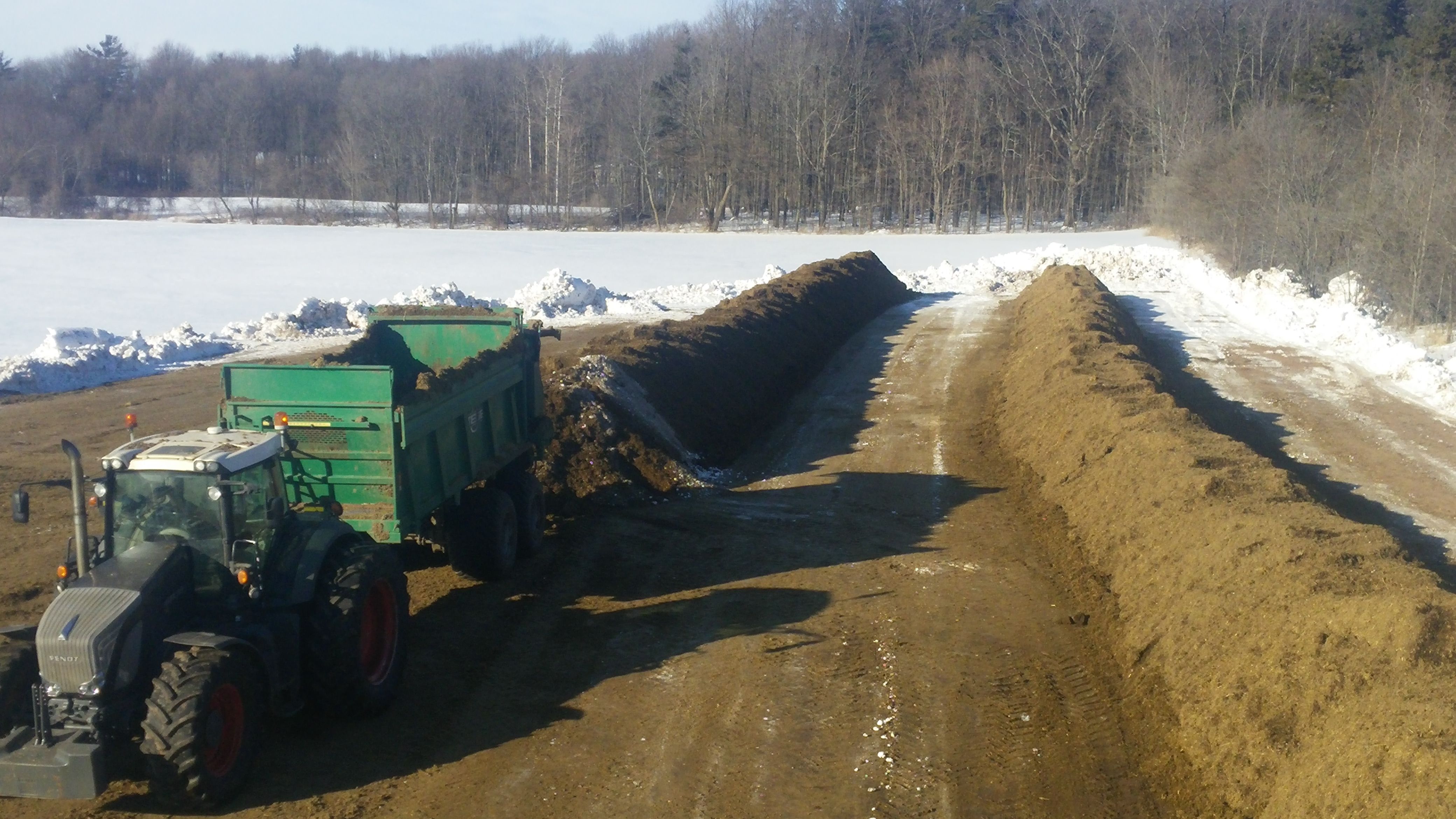
Compost plays a critical role in rebuilding soil ecosystems. High-quality compost introduces beneficial microbes, organic matter, and nutrients that support plant growth.
Many regenerative farms are using compost-based solutions for regenerative soil health to improve soil biology and increase nutrient cycling.
In particular, living carbon compost for regenerative soil helps restore microbial activity that supports plant development and soil structure.
Farmers have also reported improved yields after applying on-farm compost for carbon improvement because compost stimulates beneficial microbial communities.
Additionally, using high-quality compost for soil structure can significantly improve soil aeration and root development.
Improving Soil Structure and Water Retention
Soil structure is critical for water infiltration, root growth, and microbial activity. Healthy soil contains stable aggregates that allow air and water to move freely.
Many regenerative systems rely on living compost for soil structure and water retention to improve moisture management and increase drought resilience.
Understanding soil composition also helps farmers improve carbon retention. Studies on soil texture and carbon retention show that different soil types store carbon differently, making management strategies important for maximizing benefits.
Farmers looking to rebuild degraded land often explore regenerative soil solutions that combine compost, carbon cycling, and improved land management practices.
Managing Soil Biology for Long-Term Productivity
Healthy soil is alive with microorganisms that support plant growth. When soil biology becomes active, farmers often notice early improvements in soil performance.
Many agronomists explain what changes first when soil biology starts working, including better nutrient availability and improved plant vigor.
A strong soil ecosystem can also be developed through compost and soil carbon strategies that encourage beneficial microbial communities.
Another important practice involves planting cover crops for soil biology and resilience, which helps protect soil, improve organic matter, and enhance microbial diversity.
Managing Tillage for Better Carbon Retention
Tillage practices can significantly affect soil carbon levels. Excessive tillage can disrupt soil structure and release stored carbon back into the atmosphere.
Research on soil carbon after tillage highlights how intensive cultivation can reduce organic carbon levels over time.
Farmers can minimize these impacts by understanding tillage timing, microbes, and soil moisture, which helps reduce microbial disruption and maintain soil stability.
Real-World Results from Regenerative Soil Practices
Regenerative agriculture is not just theoretical—it has delivered measurable results for many farms.
For example, a detailed case study on DTA Living Carbon yield boost demonstrates how carbon-focused soil management can improve crop yields while restoring soil health.
Similarly, farms using premium compost to revitalize land have reported improvements in soil structure, nutrient availability, and long-term productivity.
These success stories highlight the practical value of carbon cycle consulting for soil health in helping farmers implement regenerative strategies effectively.
The Future of Sustainable Agriculture
Regenerative agriculture continues to gain attention as farmers seek sustainable solutions that restore soil ecosystems while maintaining productivity.
Many experts believe the future of farming lies in cultivating a greener future with carbon cycling and using soil biology to improve agricultural sustainability.
Programs focused on soil health improvement and professional soil health consulting are helping farmers adopt these practices more effectively.
Ultimately, agriculture is not just about production—it is also about stewardship. Many farmers view their work as part of the beauty of agriculture, where healthy soils support both ecosystems and food systems.
Final Thoughts
Building healthy soil requires a holistic approach that combines carbon cycling, compost-based amendments, and regenerative land management. By improving soil biology, increasing organic carbon levels, and adopting sustainable farming practices, farmers can create resilient agricultural systems.
Through strategies such as carbon sequestration, compost-based soil solutions, cover crops, and reduced tillage, farmers can restore soil ecosystems while improving crop yields and long-term land productivity.