Soil is not just a growing medium it is a living system that determines the success or failure of agricultural operations. For years, conventional farming has focused on short-term inputs to drive yield, often overlooking the biological processes that sustain long-term productivity. Today, that mindset is shifting.
Farmers are beginning to recognize that improving soil biology and carbon levels is the key to consistent performance, lower input costs, and better resilience. This is where living carbon systems come into play. By combining biologically active inputs, compost strategies, and expert soil consulting, farms can move from input-dependent systems to self-sustaining ecosystems.
Companies like Carbon Cycle Consulting are helping producers implement these systems in practical, results-driven ways.
What Makes Living Carbon Different from Traditional Inputs
Traditional fertilizers feed plants directly. Living carbon systems, on the other hand, focus on feeding the soil ecosystem.
Core Differences
- Traditional inputs deliver nutrients quickly but temporarily
- Living carbon builds long-term soil fertility
- Chemical inputs often bypass soil biology
- Carbon-based systems activate microbial life
This shift changes how nutrients are delivered, stored, and reused in the soil.
To see how carbon behaves under disturbance, review soil carbon after tillage.
How Living Carbon Activates Soil Biology
The real power of living carbon lies in its ability to stimulate biological activity.
What Happens in the Soil
- Microbes begin breaking down organic matter
- Nutrients become more available to plants
- Soil structure starts improving
- Root systems expand more efficiently
These biological processes create a natural cycle that supports plant growth without heavy reliance on synthetic inputs. Learn what changes first in soil biology activation.
Why Compost Design Is More Than Just Organic Matter
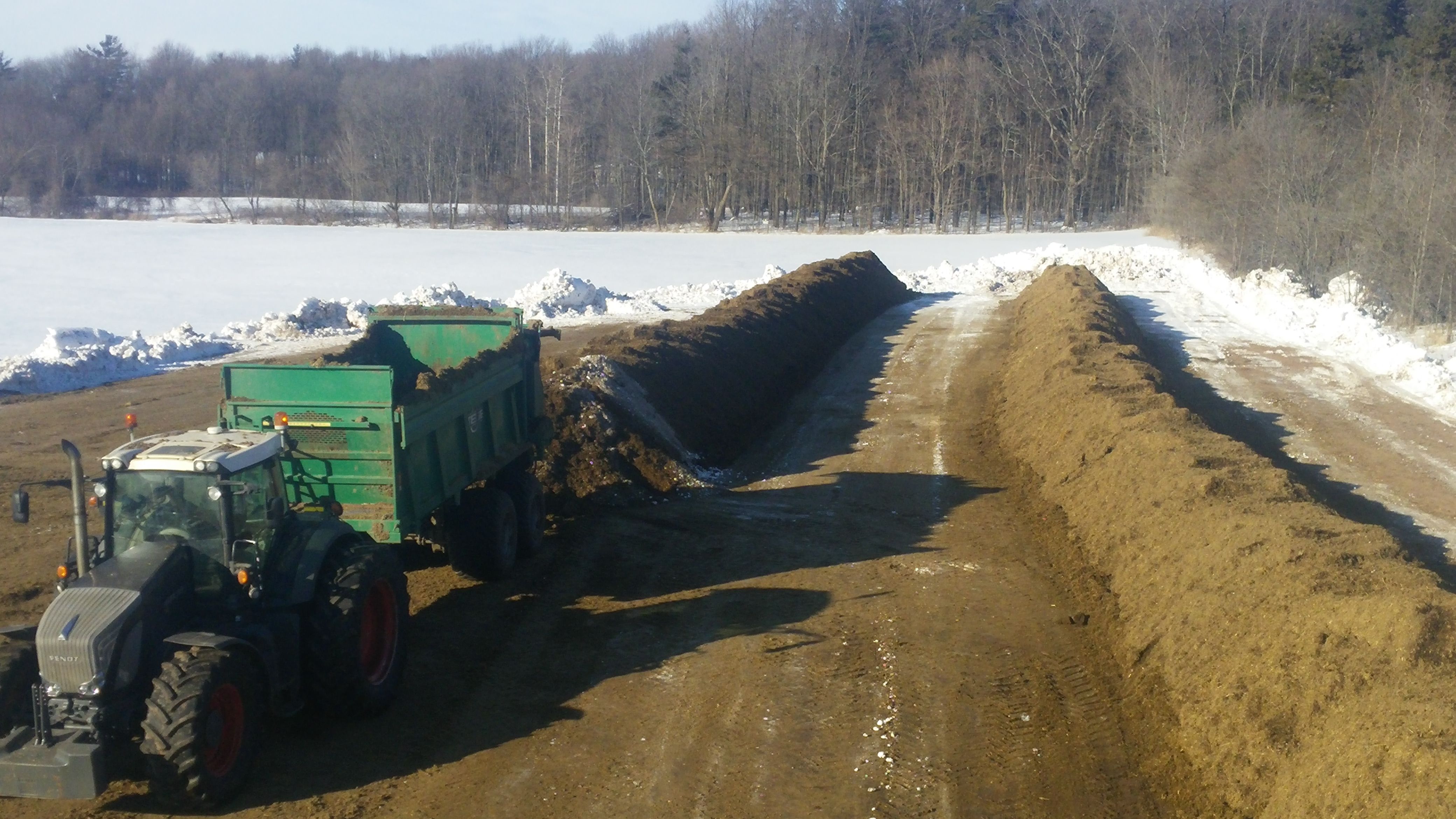
Not all compost delivers the same results. The way compost is designed determines its effectiveness.
Key Elements of Effective Compost
- Balanced carbon-to-nitrogen ratio
- Diverse microbial populations
- Proper moisture and aeration
- Stable organic compounds
Well-designed compost acts as a biological engine that improves soil over time.
Explore practical applications in on-farm compost strategies.
The Role of Liquid and Granulated Carbon Inputs
Different forms of carbon inputs serve different purposes in soil management.
Liquid Living Carbon
- Rapid microbial activation
- Quick integration into soil systems
- Ideal for early-stage improvements
Granulated Living Carbon
- Long-term carbon storage
- Gradual nutrient release
- Improved soil structure over time
Using both forms strategically creates immediate and lasting benefits.
How Soil Structure Impacts Farm Performance
Soil structure is one of the most overlooked factors in agriculture.
Why Structure Matters
- Determines water infiltration
- Affects root penetration
- Influences nutrient retention
Carbon-rich soils form stable aggregates that improve overall performance.
For deeper insight, visit soil structure improvement with compost.
Water Efficiency Starts with Soil Carbon
Water is one of the most expensive and limiting resources in farming. Improving soil carbon directly impacts water efficiency.
Benefits of Carbon-Rich Soil
- Holds more moisture
- Reduces runoff
- Improves drought resistance
This allows farms to maintain productivity even under challenging conditions.
Learn more in water retention and soil biology.
Reducing Dependency on Synthetic Inputs
One of the biggest advantages of living carbon systems is reduced reliance on external inputs.
How It Works
- Microbes naturally release nutrients
- Organic matter stores fertility
- Soil becomes self-sustaining
This reduces costs and improves long-term soil health.
Carbon Cycling The Engine Behind Regenerative Farming
Carbon cycling is the continuous process that keeps soil alive.
Why It’s Important
- Maintains nutrient availability
- Supports microbial life
- Enhances plant growth
Healthy carbon cycling systems create balance and resilience in agricultural ecosystems.
Explore more in carbon cycling in agriculture.
The Impact of Cover Crops on Carbon Systems
Cover crops play a major role in building and maintaining soil carbon.
Key Benefits
- Add organic biomass
- Protect soil from erosion
- Support microbial diversity
They work alongside living carbon inputs to strengthen soil systems.
Read more in cover crops and resilience.
Why Soil Consulting Accelerates Results
Every field behaves differently. Soil consulting ensures that strategies are tailored for specific conditions.
What Consulting Delivers
- Data-driven decisions
- Customized soil improvement plans
- Faster results with fewer mistakes
To understand real-world application, visit field experience vs theory.
Balancing Productivity and Sustainability
Modern farming must balance yield with long-term sustainability.
How Living Carbon Helps
- Improves soil fertility naturally
- Reduces environmental impact
- Supports consistent yields
This approach aligns productivity with ecological responsibility.
Common Mistakes When Transitioning to Carbon-Based Systems
Transitioning to regenerative practices requires careful planning.
Mistakes to Avoid
- Expecting instant results
- Ignoring soil testing
- Using low-quality compost
- Overlooking microbial balance
Avoiding these mistakes ensures smoother implementation.
The Economic Benefits of Soil Carbon Systems
Improving soil health is not just an environmental decision it’s a financial one.
Financial Advantages
- Lower input costs
- Improved yield consistency
- Increased land value
Over time, these benefits create a more profitable farming operation.
Adapting to the Future of Agriculture
The future of farming is moving toward biological and regenerative systems.
Emerging Shifts
- Reduced chemical dependency
- Increased focus on soil biology
- Greater adoption of carbon-based inputs
Farmers who adapt early gain a competitive advantage.
Why Choosing the Right Partner Matters
Implementing soil carbon strategies requires expertise and reliable products.
A trusted provider like Carbon Cycle Consulting offers:
- Proven solutions
- Customized strategies
- Ongoing support
This ensures that farmers achieve measurable and sustainable results.
Final Thoughts
Living carbon systems represent a fundamental shift in how agriculture approaches soil management. Instead of relying on short-term fixes, these systems build long-term fertility, improve resilience, and support consistent productivity.
By combining living carbon inputs, compost design, and expert consulting, farmers can transform their soil into a high-performing, self-sustaining ecosystem. The result is not only healthier soil but also stronger crops, lower costs, and greater profitability.